Read the category page
Each product page explains what the category covers and which details decide suitability. Ten minutes there usually saves a round of emails.

About Seat Belt Dealer
Seat Belt Dealer exists to make automotive seat belt products easier to identify, understand and enquire about — without guesswork, and without claims we cannot support.
Seat Belt Dealer is a product-focused destination for automotive seat belt solutions: complete seat belt assemblies, three-point and lap configurations, retractable assemblies, buckles and receivers, accessory hardware, and the replacement requirements that bring most people to a page like this one.
The purpose of this website is straightforward. Seat belt shopping tends to go wrong in the same two ways — either the terminology is unclear, so people describe the wrong part; or a product is presented with confident compatibility claims that turn out not to hold for a specific vehicle and seating position. We have built this site to address both.
Every product category page sets out what the group covers, which considerations apply, and what information we need in order to answer accurately. Where a detail depends on your actual vehicle or the assembly you are replacing, we say so and ask, rather than publishing a number that might not apply.
What you will not find here: invented specifications, borrowed certification claims, or statements about protection levels that no seat belt product can honestly promise.
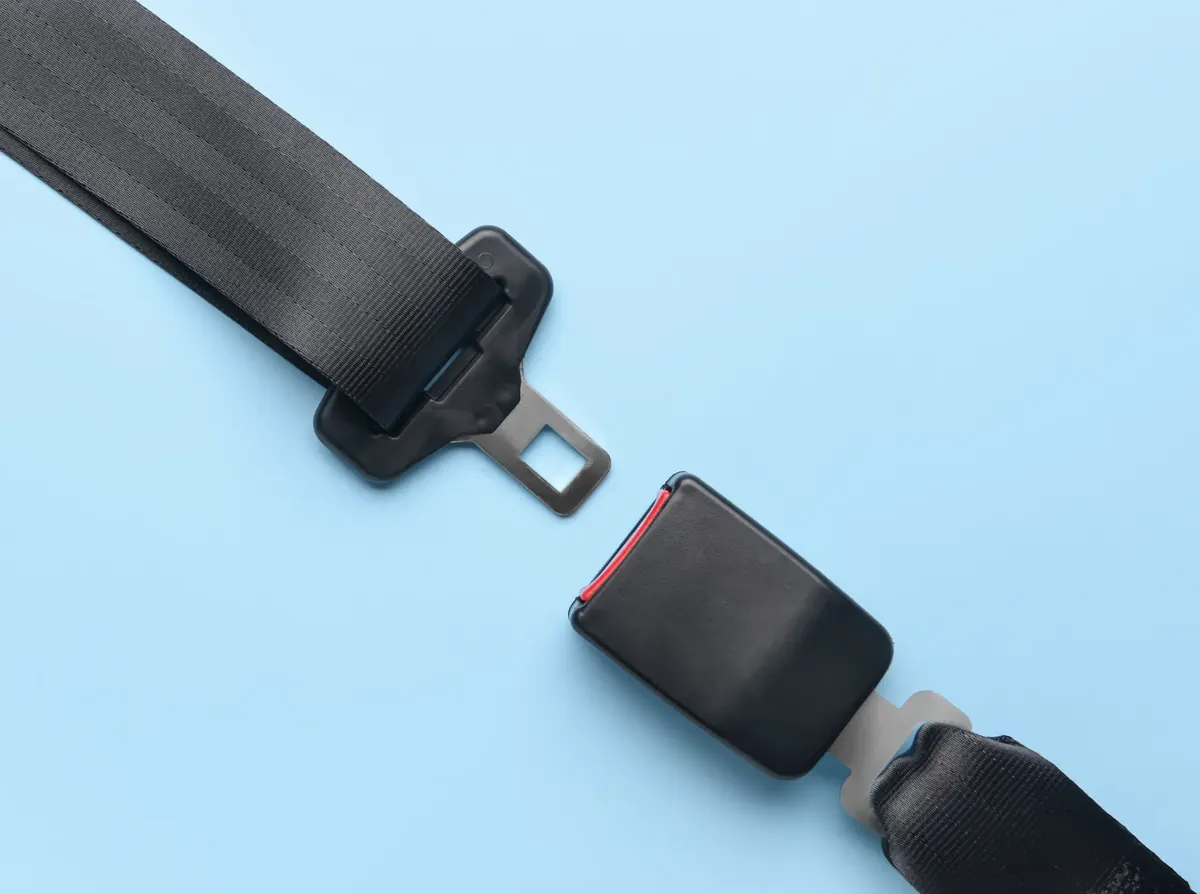
Our catalogue is organised the way requirements actually arrive: by configuration and by the part of the assembly involved.
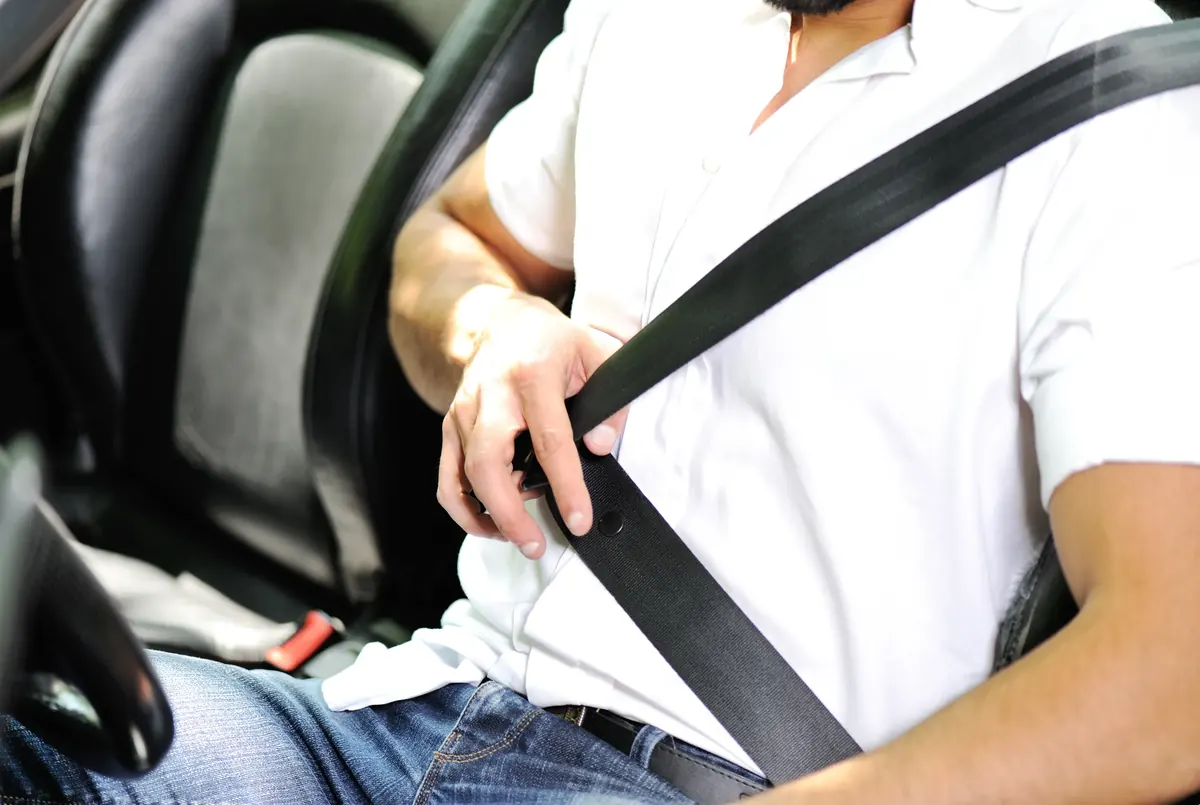
People arrive at a seat belt requirement from very different directions. A belt no longer retracts. A buckle will not latch cleanly. A vehicle has been through work and one position needs an assembly restored. A fleet operator wants consistency across a group of vehicles rather than a mixed collection of parts.
Those are not the same enquiry, and treating them identically is how the wrong part gets sent. We ask about the vehicle, the seating position, the configuration and the specific components required, because those four answers narrow the field far more effectively than a product name on its own.
Where a requirement touches on the condition or function of a restraint system already fitted to a vehicle, our position is consistent: that is an inspection matter for a qualified automotive technician, not something to diagnose from a description.
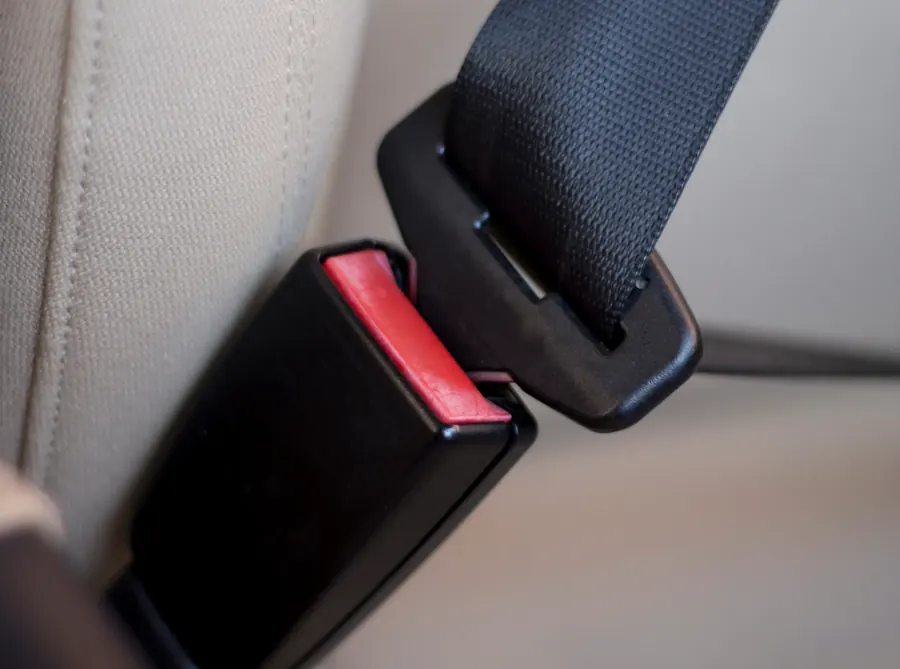
Before any part is discussed, we establish which vehicle and which seating position the requirement relates to, and whether one position or several are involved.
Three-point, lap, or retractable — and whether the belt currently retracts on its own or is adjusted by hand. Configuration decides which product group is even relevant.
A complete assembly, the webbing side only, the buckle side only, or a specific accessory. Naming the component correctly removes most of the back-and-forth.
Mounting arrangement, handing, webbing width and latch geometry are checked against your details. Where something cannot be confirmed from the information available, we ask instead of assuming.
You receive availability and product information relevant to your requirement, along with a clear note of anything that still needs verification at the vehicle.
With restraint components, a well-made part fitted to the wrong position is not a good outcome. That is why compatibility sits at the centre of how we handle enquiries rather than being treated as a footnote.
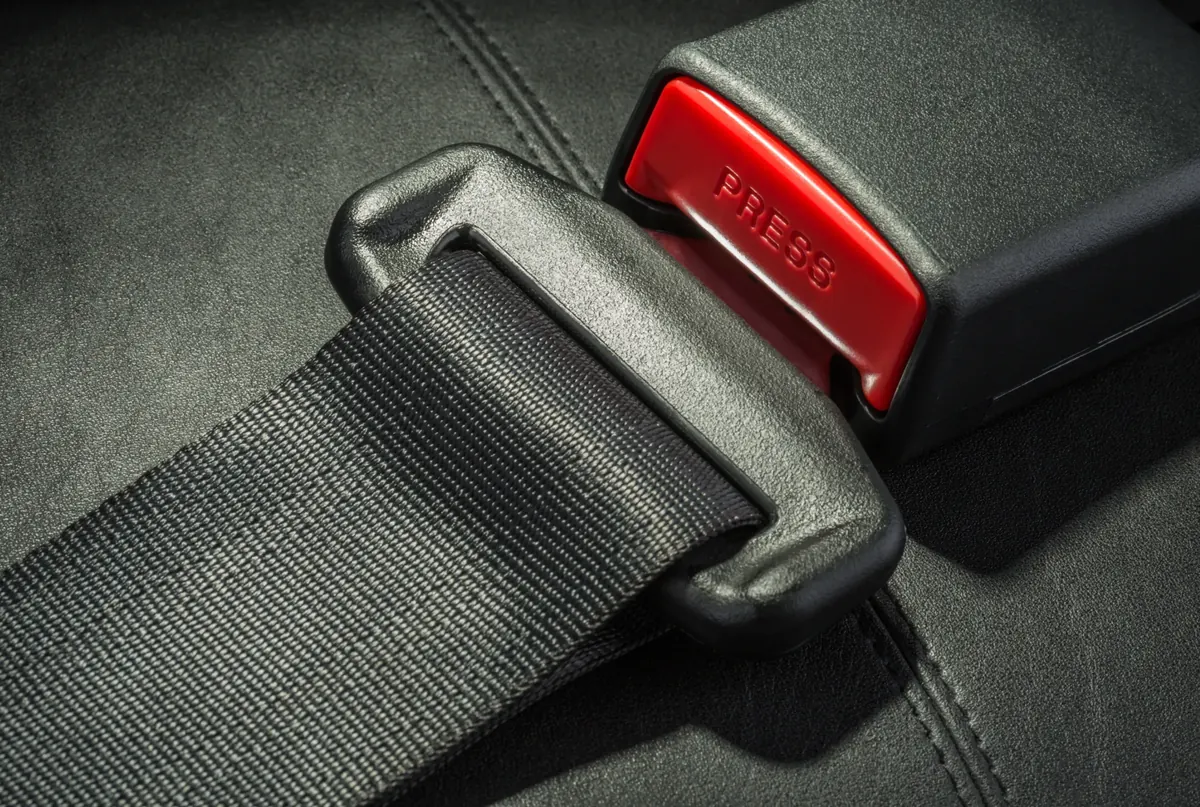
On certification and approvals
We do not publish certification, approval or test claims for products on this website. Where documentation exists for a specific item, it is shared as part of the enquiry rather than summarised into a marketing statement.
Each product page explains what the category covers and which details decide suitability. Ten minutes there usually saves a round of emails.
Images of the existing assembly, its mounting points and any part marking are the most useful thing you can include with a replacement enquiry.
Final fitment confirmation happens at the vehicle. We recommend a qualified automotive technician for installation and for checking anchorage hardware.
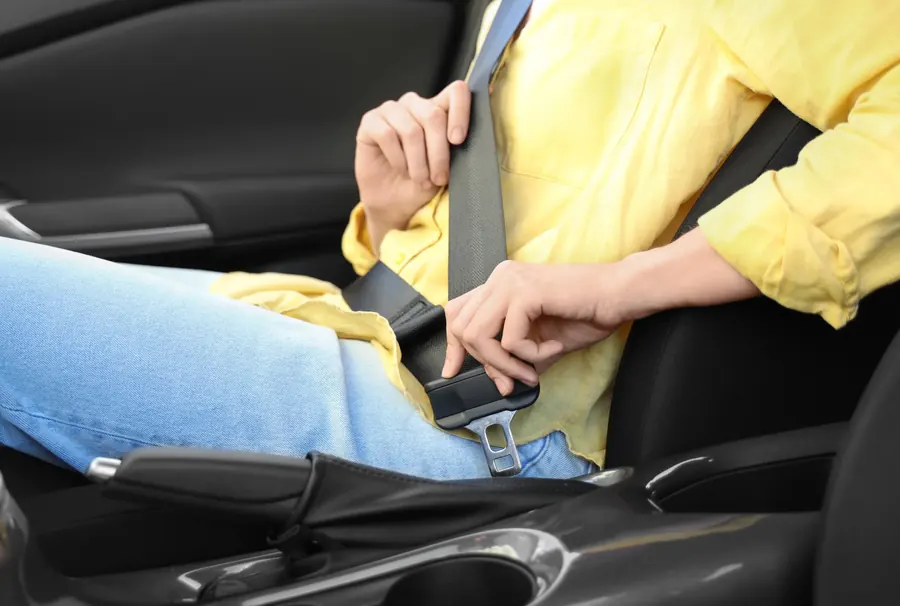
We would rather say “let us check” than publish a specification we cannot stand behind.
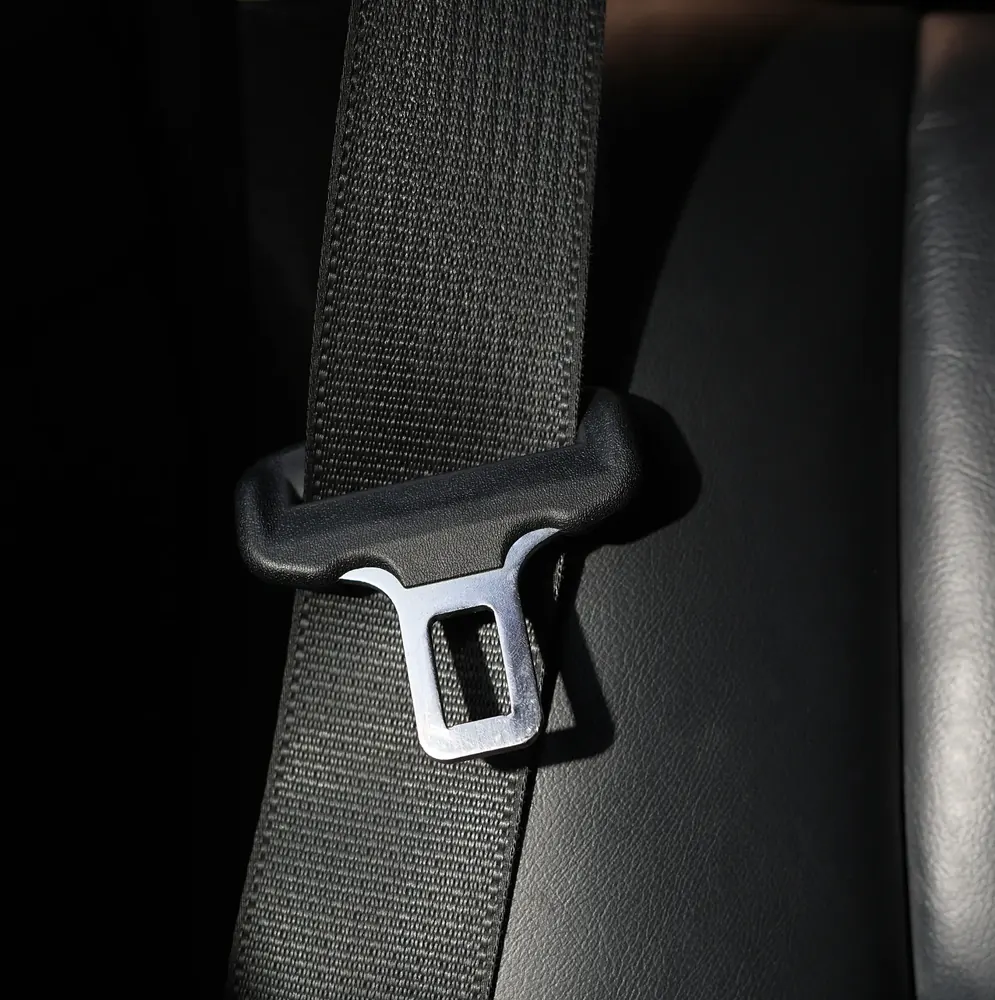
Send the vehicle, seating position and configuration details and we will come back with what is relevant.