Lap Seat Belts
A two-point arrangement: one length of webbing across the pelvis, anchored either side of the seating position. Straightforward in construction, and specific in where it belongs.
What this category covers
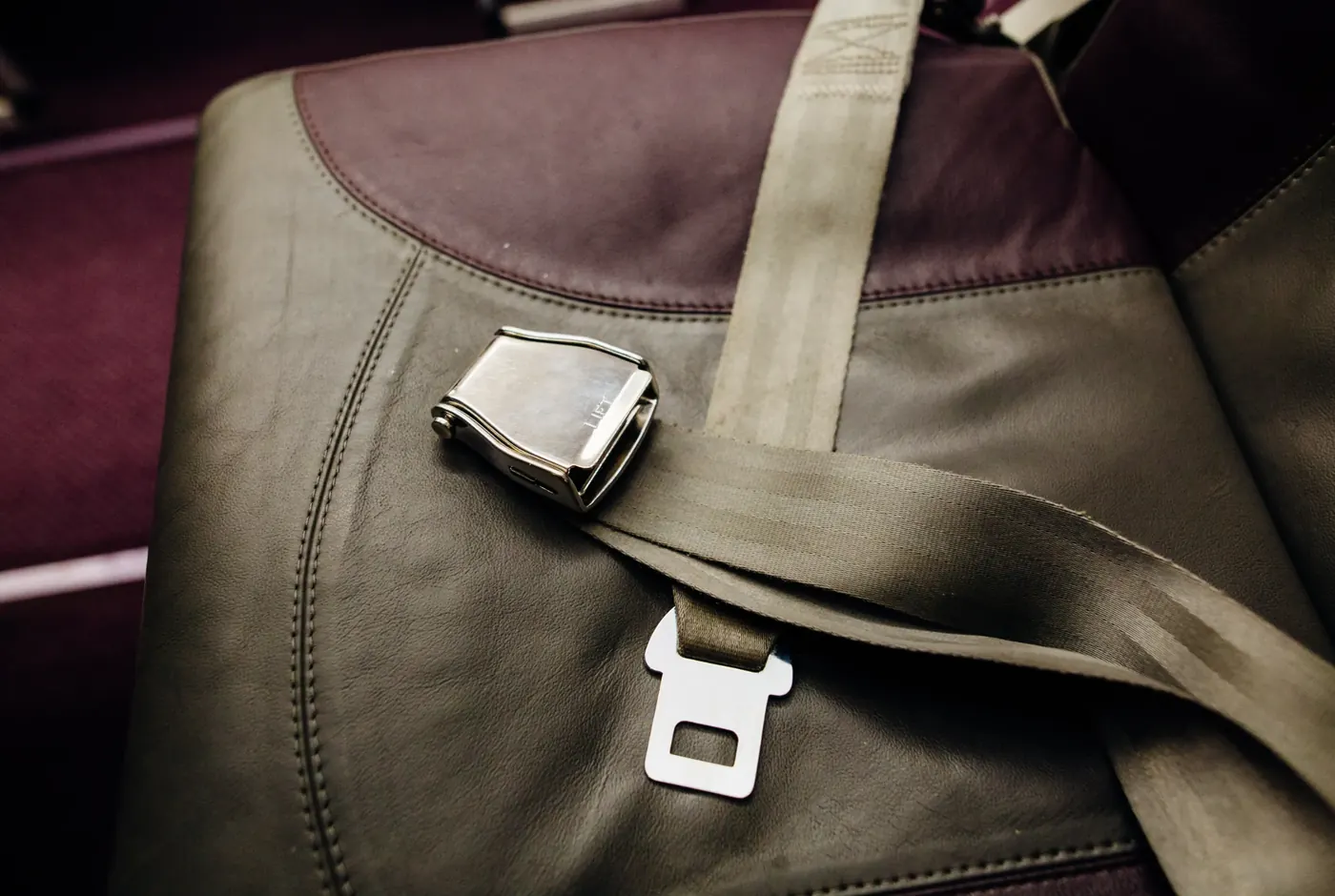
Lap seat belts are two-point assemblies. The webbing runs across the pelvis and terminates at an anchorage on each side of the seating position. There is no upper anchorage and no diagonal section, which is what distinguishes the category from a three-point assembly.
Length is usually set by hand, using an adjuster on the webbing, rather than by a retractor. That makes correct adjustment part of correct use: the belt should sit low across the pelvis, flat, and without slack.
Where a lap belt is the right product
The honest answer is: where a lap belt is what the position is built for. Centre positions on a rear bench, some commercial-vehicle bench positions, and older vehicles specified with lap arrangements are the common cases. What decides it is the anchorage arrangement actually present at the position — not a preference.
If a position provides a three-point arrangement, that is the arrangement it was designed around. We do not recommend substituting a lap belt for a three-point assembly, and we will not confirm such a change from a description.
Lap belt or three-point — what actually differs
Side by side, so the distinction is clear before an enquiry is raised.
| Consideration | Lap seat belt | Three-point seat belt |
|---|---|---|
| Attachment points | Two, one either side of the position | Three, including an upper anchorage |
| Webbing sections | Lap section only | Lap section plus diagonal section |
| Upper body | Not restrained by the belt | Managed by the diagonal section |
| Length adjustment | Commonly manual, using an adjuster | Commonly automatic, via a retractor |
| Typical positions | Rear centre, bench seating, older specifications | Front and rear outboard positions |
| Handing | Depends on anchorage arrangement | Always handed — left and right differ |
| Substitution | Not interchangeable. Use the arrangement the seating position is built for, confirmed at the vehicle. | |
Where these are supplied
Rear centre positions
Where the vehicle specifies a lap arrangement at the centre of a rear bench.
Bench seating
Commercial and utility vehicles with bench positions, sometimes several across one seat.
Older vehicle specifications
Vehicles originally specified with lap arrangements, where the requirement is to restore what was fitted.
Restoration work
Positions being brought back into use, where anchorage condition needs checking as carefully as the belt itself.
Adjustment is part of correct use
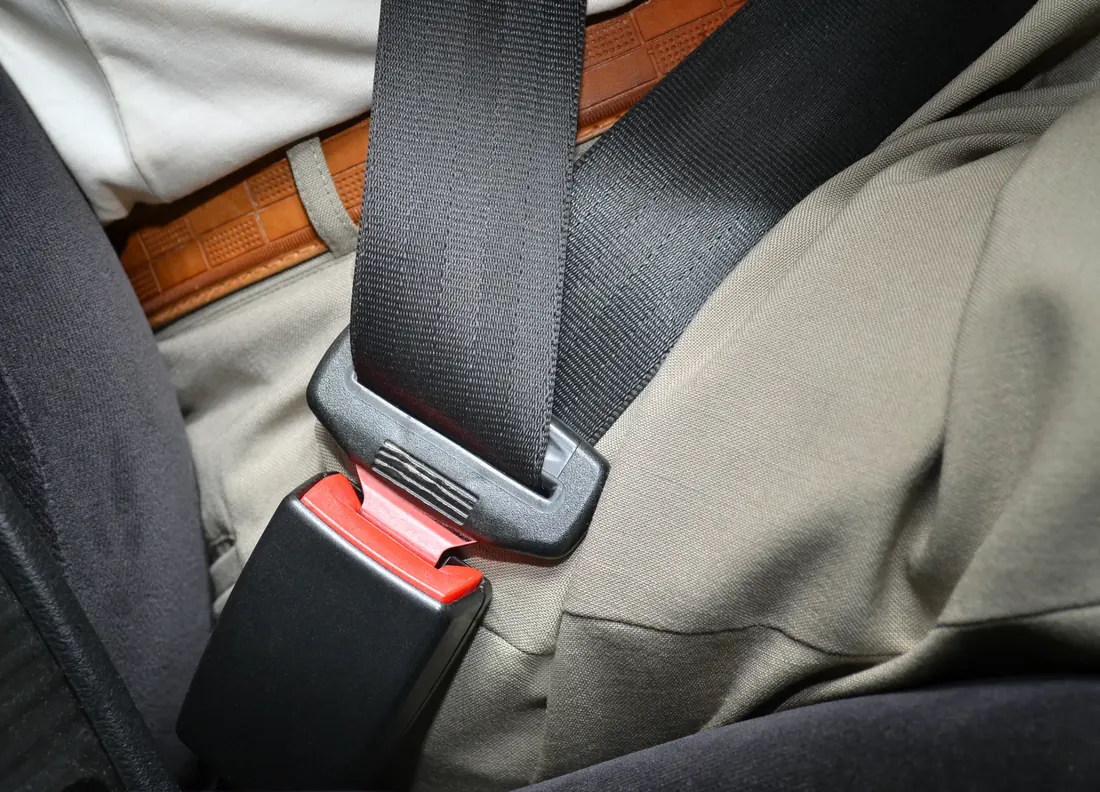
Because most lap belts are adjusted by hand, a belt that is left slack is not doing what it was designed to do. If the adjuster slips or the webbing will not tighten, have the assembly inspected by a qualified automotive technician.
What to confirm
- The position is specified for a lap arrangement
- Anchorage locations and spacing either side of the position
- Anchor hardware type and condition
- Webbing width and adjuster type
- Buckle and latch plate correspondence
- Number of positions, if a bench is involved
- Installation by a qualified automotive technician
What we can confirm
| Product category | Two-point lap seat belt assemblies |
|---|---|
| Attachment points | Two — one anchorage each side of the position |
| Adjustment | Commonly manual, via a webbing adjuster |
| Positions | Rear centre, bench seating and restoration requirements |
| Dimensional data | Not published — confirmed on enquiry for your requirement |
| Vehicle fitment | Not published — confirmed on enquiry for your requirement |
| Installation | By a qualified automotive technician; anchorage condition checked at the vehicle |

Lap seat belt questions
Including the one that matters most — whether a lap belt substitutes for a three-point assembly.
A lap seat belt is a two-point arrangement. A single length of webbing runs across the pelvis and attaches to the vehicle at two points, one either side of the seating position. There is no diagonal section over the torso.
Most commonly at centre positions on a rear bench, at some bench positions in commercial vehicles, and in older vehicles where a lap arrangement was the original specification. Which arrangement a given position uses is a matter of what is actually fitted, so check rather than assume.
They are different products with different geometry. A lap belt restrains the pelvis; a three-point belt adds a diagonal section that manages the upper body. Where a vehicle provides a three-point arrangement at a position, that is the arrangement intended for it. We do not present lap belts as a substitute for three-point assemblies.
Low and snug across the pelvis, flat and untwisted, and adjusted so there is no slack. It should not sit up across the abdomen. If the webbing will not tighten or the adjuster slips, have the assembly inspected.
Requirements of that kind are handled case by case, because bench positions vary in mounting arrangement and spacing. Send photographs of the seat, the existing belts and each anchorage, along with the number of positions involved.
Related configurations and components
If the position turns out to use a diagonal section after all, start with the three-point category instead.
Enquire about lap seat belts
Send the anchorage arrangement, the number of positions and photographs of what is fitted now.