Standardised specification
Where vehicles in a fleet share a configuration, agreeing one specification avoids a drawer full of near-matching parts that nobody can tell apart later.

Applications
The product category is only half the picture. Application context — a single family car, a working vehicle in daily use, a managed fleet, or a special-purpose build — changes which details matter and how a requirement is best handled.

The most common requirement we see: one position on one vehicle where something has stopped working as it should, or where a belt has been damaged and needs replacing.
Front and rear positions differ in mounting arrangement, webbing length and handing. Getting the side right — left or right within the cabin — matters as much as the belt type.

A belt in a vehicle that is buckled and unbuckled dozens of times a day lives a different life to one in a private car. Dust, grit, sunlight, temperature and sheer cycle count all accumulate.
Keep a record of what was fitted
For commercial vehicles, noting the configuration and components fitted at each position makes the next replacement far quicker to specify. Photographs at the time of installation are worth the two minutes they take.
Fleet requirements are less about one part and more about a repeatable specification: the same configuration, sourced the same way, across a defined set of vehicles.

Where vehicles in a fleet share a configuration, agreeing one specification avoids a drawer full of near-matching parts that nobody can tell apart later.
Restraint checks folded into an existing service interval catch webbing and buckle issues before they become a vehicle-off-road problem.
Tell us the number of vehicles, the positions involved and the configuration. Quantity requirements are handled as a single conversation rather than a series of one-off orders.
Whatever product information exists for the items supplied is shared with the order, so your maintenance records reflect what is actually fitted.
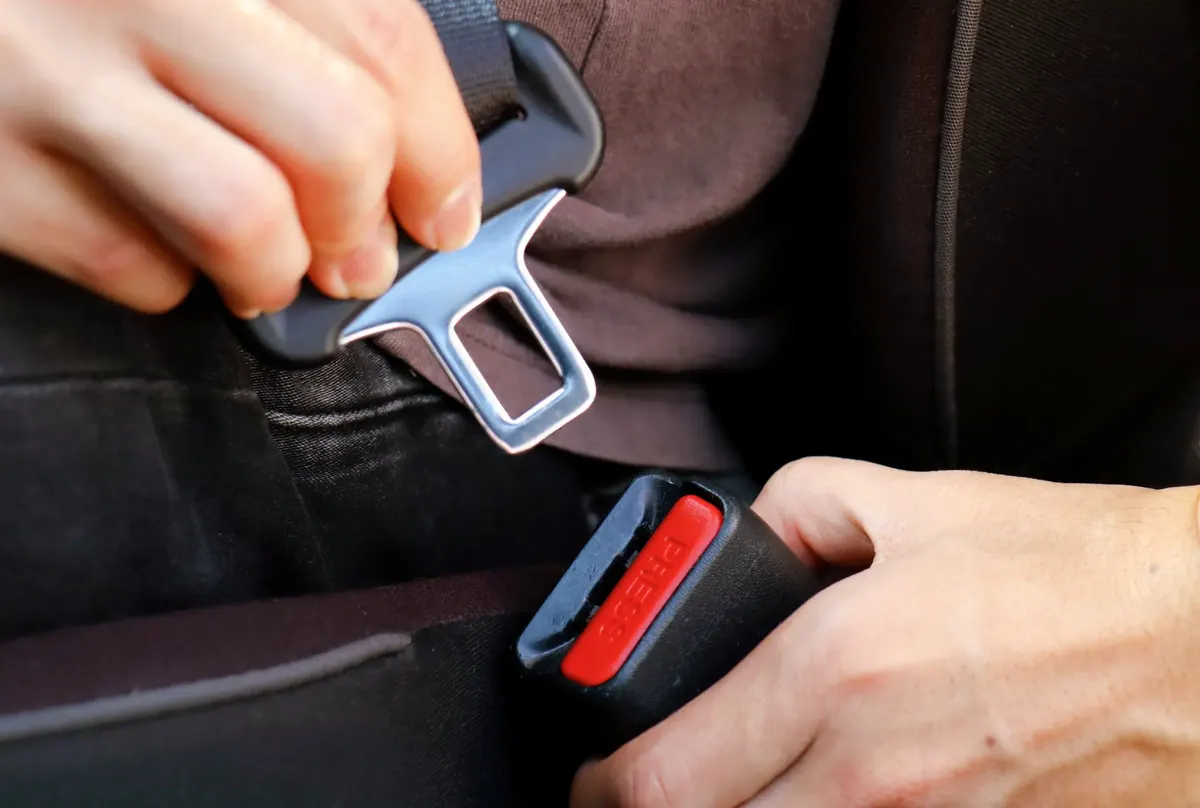
When an assembly is being replaced rather than newly installed, matching is the entire task — and it is where a photograph beats a paragraph every time.
Some requirements sit outside a standard passenger-car pattern: modified seating, non-standard mounting positions, restored or specialist vehicles, or multi-point arrangements.
These are handled case by case. What we will not do is confirm that a given product suits a non-standard installation on the strength of a description alone — special applications need the mounting arrangement examined properly, and installation signed off by a qualified automotive technician.
What we cannot help with
We do not supply advice or parts intended to bypass, disable or defeat a vehicle safety system — including seat belt warning systems. If a restraint system is not functioning as intended, the answer is inspection and repair, not a workaround.
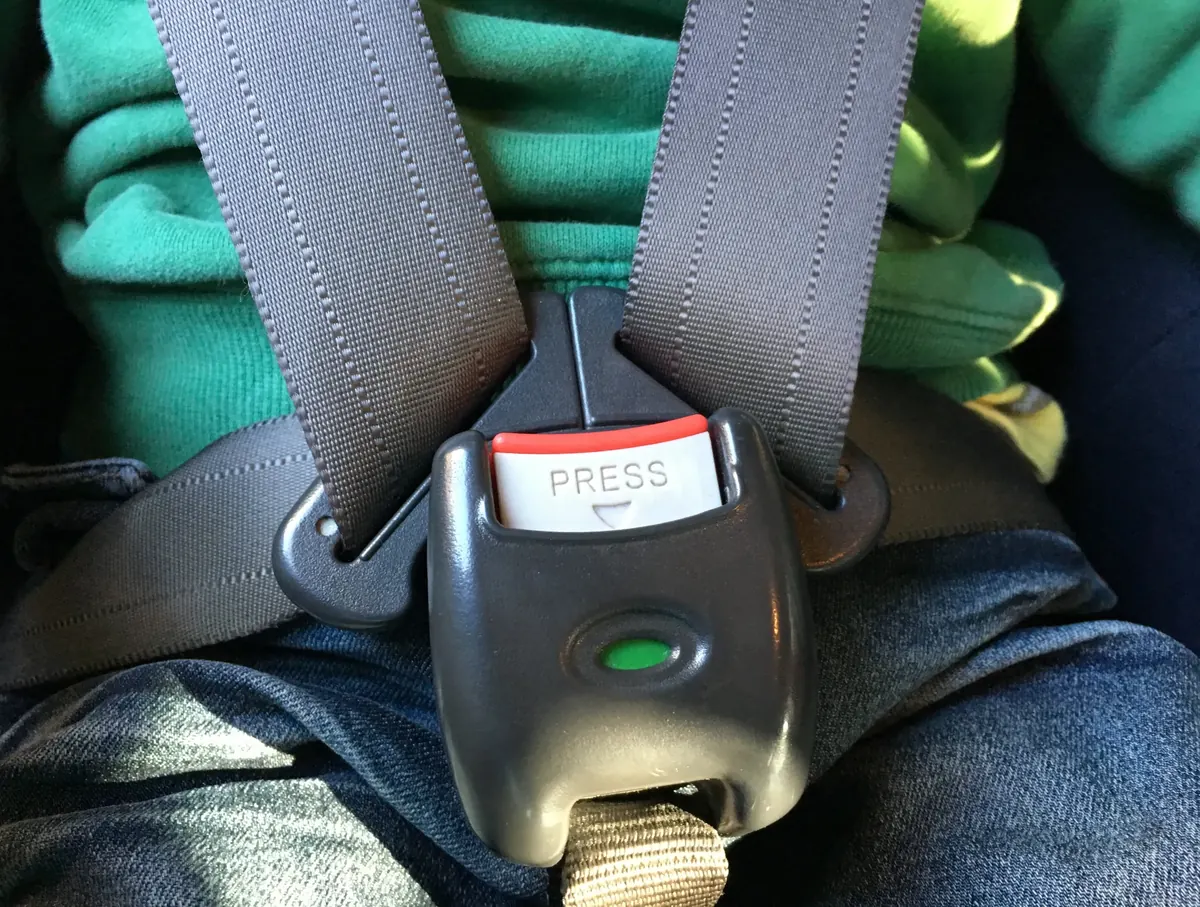
Describe the vehicle and what you are trying to achieve. We will point you to the right product group.