Care and Maintenance
Seat belt care is mostly restraint of a different kind: doing the few useful things, and leaving well alone the many things that seem helpful but are not.
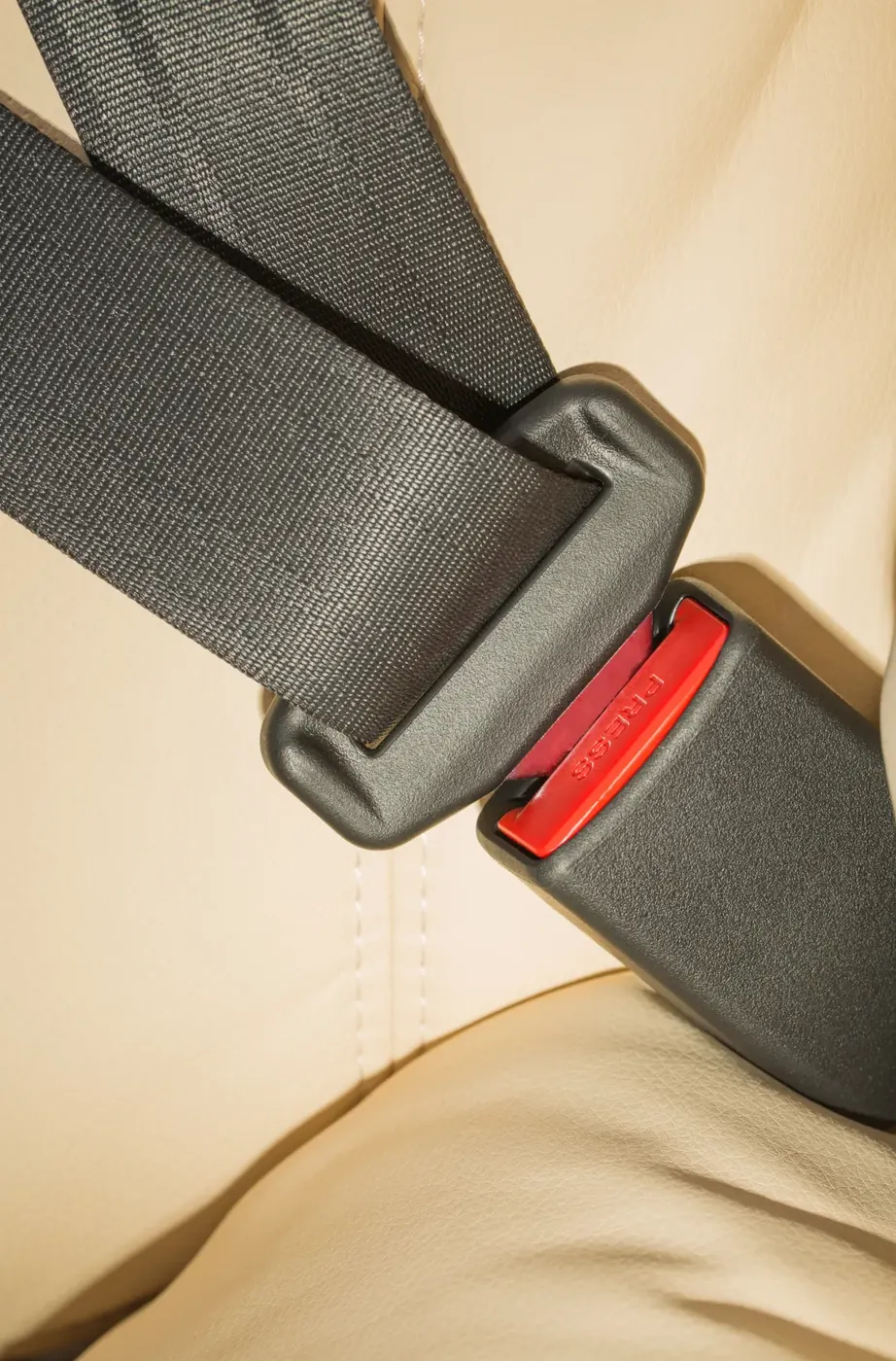
The governing principle
A seat belt is a load-bearing textile component with a mechanism at one end. That single sentence explains most of the guidance on this page. Textiles are damaged by chemicals, heat and abrasion. Mechanisms are damaged by contamination and by being taken apart. Neither benefits from enthusiasm.
So the aim of seat belt care is narrow: keep webbing clean and dry, keep buckles free of debris, and notice changes early. Anything beyond that belongs to a qualified automotive technician.
If a care step feels like a repair, it is a repair — and it does not belong on a restraint component.
Webbing care
Webbing collects dust, skin oils and whatever else travels in the cabin. Light, occasional cleaning is reasonable and useful, because a clean belt is also an inspectable belt.
- Draw the belt out slowly to full extension and hold it there while you work
- Use a soft cloth with plain water, or water with a very small amount of mild soap
- Wipe along the length; do not scrub across the weave
- Wipe again with plain water to remove any soap residue
- Let the webbing dry fully in the extended position before allowing it to retract
That last point matters more than it sounds. Damp webbing wound onto a spool stays damp, and damp webbing inside a housing is how a persistent smell and, eventually, mould begin.
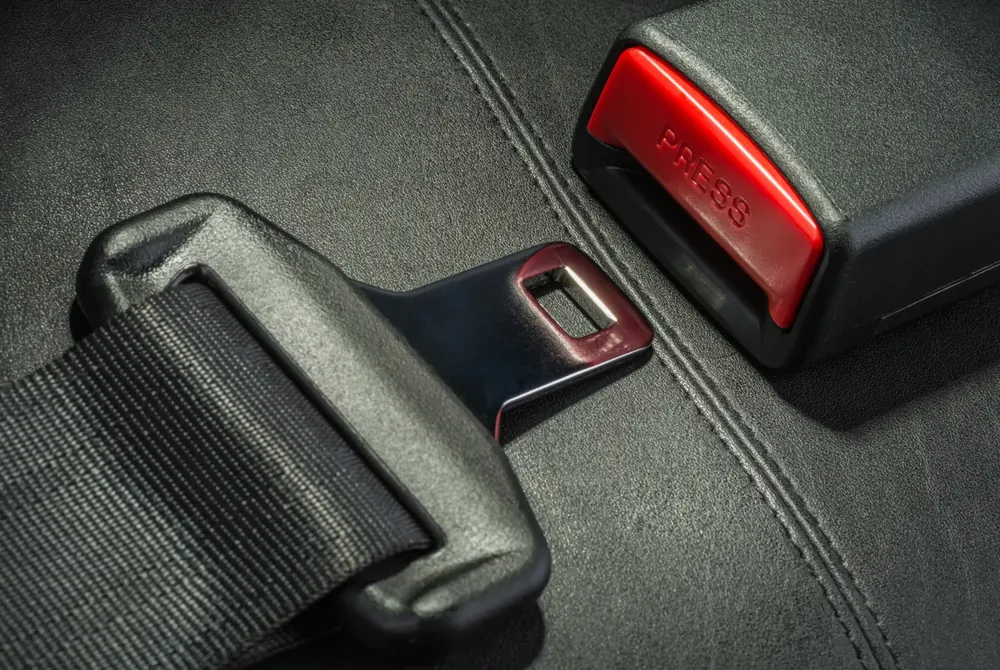
Buckles and releases
Buckles fail more often from what gets into them than from wear. Crumbs, grit, coins, sand and spilled drinks all end up in the throat of a buckle, particularly at rear positions and in working vehicles.
- Keep the buckle opening clear — a gentle blast of dry compressed air, or a soft dry brush
- Wipe the housing exterior with a barely damp cloth
- Check that the release returns fully after being pressed
- Listen for a clean, positive engagement when the latch plate goes in
No lubricants
Do not put oil, silicone spray, general-purpose penetrating fluid or grease into a buckle. Lubricants attract and hold the dust they were meant to displace, and they can migrate onto webbing. A buckle that needs more than clearing needs a technician.
Retractors
There is no user maintenance on a retractor, and that is the whole of the guidance. What you can usefully do is pay attention to how it behaves: does webbing extend smoothly, and does it return fully and promptly when released?
Feeding webbing back flat and untwisted helps, and letting it dry before retraction helps. Beyond that, changes in behaviour are something to report rather than investigate. The housing stays closed.

What to avoid entirely
- Bleach, solvents, degreasers, spot removers and strong detergents on webbing
- Machine washing, soaking or steam cleaning a belt assembly
- Heat drying — hot air guns, direct heaters, or leaving webbing against a hot surface
- Dyeing, painting or otherwise treating webbing
- Sewing, trimming, splicing or knotting webbing
- Lubricating, dismantling or forcing a buckle mechanism
- Opening a retractor housing
- Clips, pads, sleeves or covers that change how webbing sits against the body
- Anything intended to occupy a buckle so a warning system stops signalling
A simple routine
Twice a year, and after anything unusual, spend five minutes per position. Draw each belt out fully and look along both faces of the webbing. Check that the latch engages positively and releases cleanly. Watch the belt return. Clear any debris from the buckle opening.
If everything checks out, you are done. If anything does not — a mark on the webbing you have not seen before, a release that feels different, a retraction that has slowed — that is your cue to read Seat Belt Inspection and arrange for a qualified automotive technician to look at it.
That is the end of the guide. If a technician has identified something that needs replacing, the product catalogue is organised by configuration and component, and the enquiry form asks for what we need to answer accurately.