Category 05

Seat Belt Buckles & Receivers

Two halves that have to agree with each other: the latch plate on the webbing, and the buckle it enters. This category covers requirements where one half of an assembly is what you need.

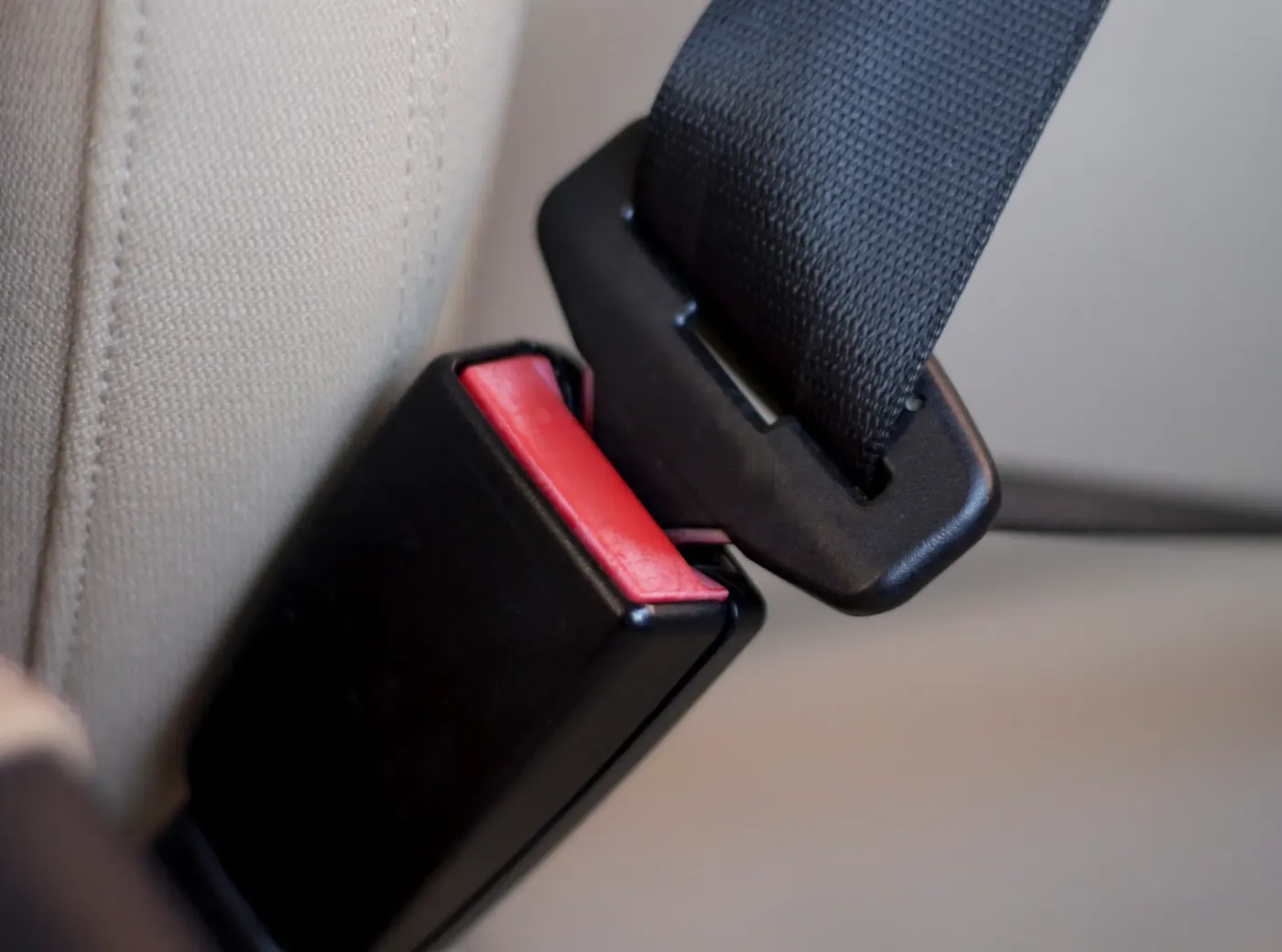
Seat belt tongue being guided towards a black buckle receiver inside a light coloured car interior
01The two halves

One engagement, two components

Most enquiries in this category are for one side only. Naming which side you need is the single most useful thing you can do.

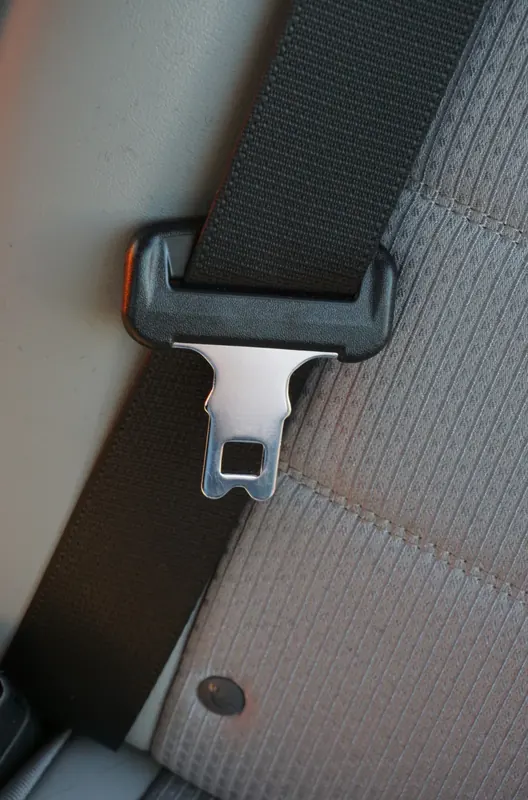
Metal seat belt latch plate resting against webbing on a grey vehicle seat
Side A

Latch plate / tongue

The metal plate attached to the webbing. It slides through the buckle opening and is retained there until the release is pressed.

  • Fixed to, or sliding on, the webbing
  • Plate shape and thickness must suit the buckle
  • Slot position determines where it locks
  • Often has a plastic guide or grip moulded around it
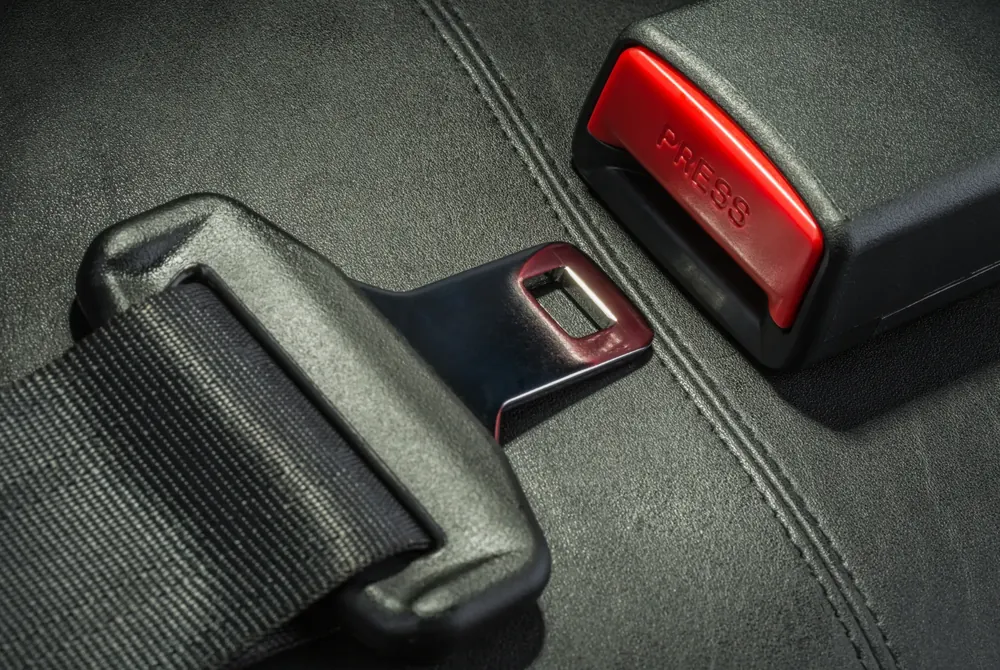
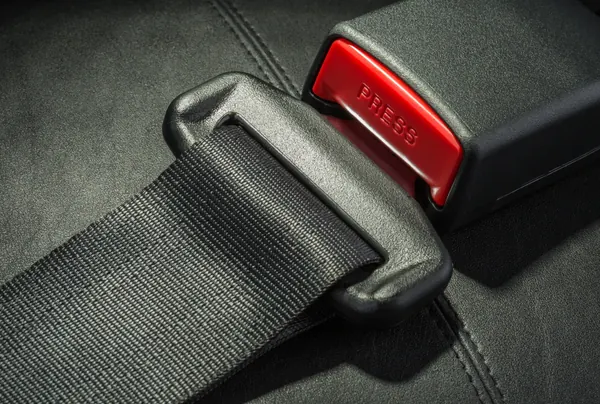
Black seat belt buckle receiver with a red press release button on a dark seat
Side B

Buckle / receiver

The housing that accepts the latch plate. It holds the plate securely and frees it only when the release button is pressed deliberately.

  • Mounted on a stalk, webbing tail or directly to structure
  • Internal geometry matched to a latch plate profile
  • Release button, conventionally red
  • Mounting arrangement varies by position
02Matching guide

How the two halves are matched

A latch plate that physically enters a buckle is not the same as a matched pair. Engagement should be distinct and positive, and release should happen only when intended.

Send both halves in photographs

Photograph the latch plate flat against a plain background, and the buckle opening from the front. Between them, those two images answer most matching questions before they are asked.

01

Plate profile

The outline of the latch plate and the shape of its shoulders determine whether it seats correctly in the buckle throat.

02

Plate thickness

Too thin and engagement is loose; too thick and the plate will not enter. Thickness is a matching dimension, not a tolerance to work around.

03

Slot position

The slot is what the buckle mechanism actually locks into, so its position along the plate has to correspond to the buckle.

04

Webbing width

Where the latch plate carries webbing, its width has to match the belt it is being used with.

05

Buckle mounting

Stalk, webbing tail or direct mount — the buckle has to attach the way the position expects.

03Condition indicators

When a buckle needs looking at

These are observations, not diagnoses. Any of them is a reason to arrange an inspection with a qualified automotive technician.

Engagement

Latching feels vague

The latch plate does not seat with a clear, definite action, or it seems to hold only in certain positions.

Release

Release is sticky or stiff

The button needs unusual force, does not return, or the plate stays put after a deliberate press.

Contamination

Debris in the opening

Grit, crumbs or liquid residue around the throat of the buckle, common in working vehicles and family cars alike.

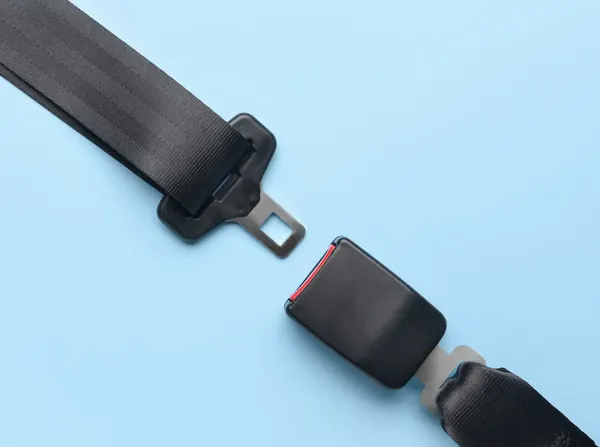
Buckle with a red press release button holding a latch plate between two webbing sections
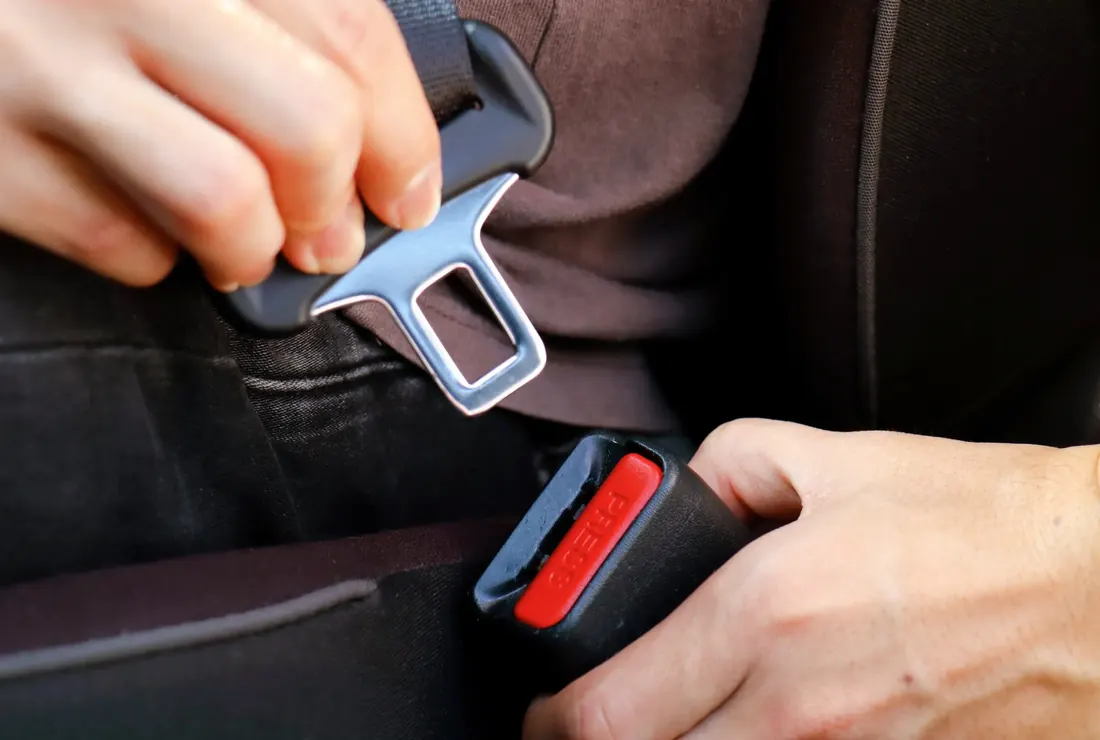
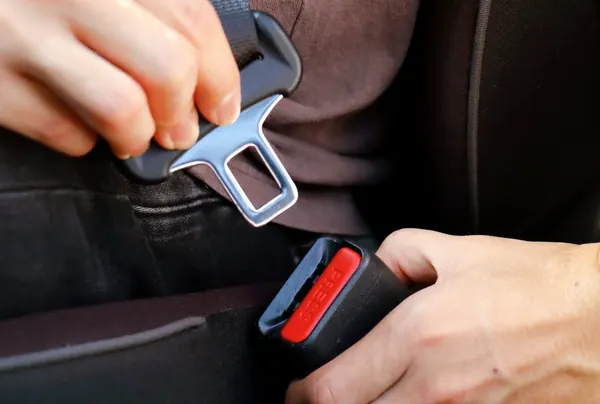
Hands bringing a seat belt latch plate and buckle receiver together
04Compatibility considerations

What to confirm

  • Which half you need — latch plate side or buckle side
  • Latch plate profile, thickness and slot position
  • Buckle mounting arrangement at the position
  • Webbing width where the part carries webbing
  • Handing, since buckle stalks differ between sides
  • Whether the opposite half is staying in service
05Available information

What we can confirm

Product information available for this category
Product categorySeat belt buckles, receivers and latch components
Halves coveredLatch plate side and buckle side
Matching factorsPlate profile, thickness, slot position, webbing width, mounting
Dimensional dataNot published — confirmed on enquiry for your requirement
Vehicle fitmentNot published — confirmed on enquiry for your requirement
ServicingBuckle housings are not user-serviceable; inspection by a qualified technician
InstallationBy a qualified automotive technician
Questions

Buckle and receiver questions

Terminology causes more confusion here than anywhere else in the catalogue.

The latch plate — also called the tongue — is the metal plate fixed to the webbing. The buckle, or receiver, is the housing that accepts the latch plate and holds it until released. When you enquire, describe the physical part rather than relying on the name, because the two words are commonly swapped in everyday use.

Have it inspected by a qualified automotive technician. A release that sticks can have several causes and none of them are worth guessing at with a restraint component. Do not attempt to dismantle a buckle housing or force the mechanism.

Only if the geometry corresponds. Latch plate shape, thickness and slot position all have to match the buckle for engagement to be positive. A latch plate that enters a buckle is not proof that the two are a matched pair, which is why we ask for photographs of both halves.

Red is conventional for the release, and its purpose is to be findable quickly. Colour is not a specification, though, and it is not a compatibility indicator — the geometry is what matters.

What is available depends on the requirement. Tell us which part of the assembly you need — the buckle body, the stalk, the mounting hardware, or the whole side — and we will confirm against that.

Enquire about buckles and receivers

Tell us which half you need and send photographs of both — matching is quick once we can see them.