
Retractable Seat Belts
Webbing on a spool, paying out when drawn and returning when released. The retractor is what makes a belt sit close to the occupant without anyone setting a length.
Four stages, one continuous cycle
Described in general terms — specific retractor designs vary, and the internal mechanism is not something to open or service outside a workshop.
-
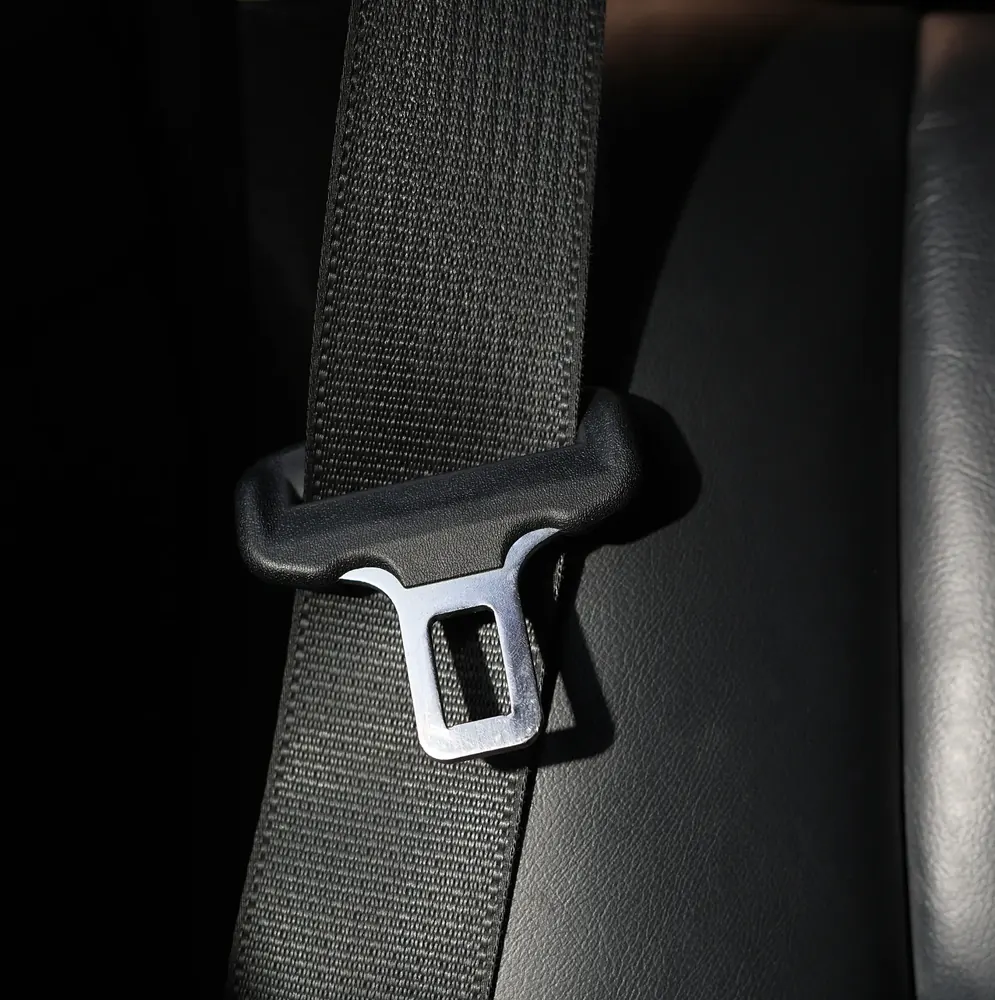
Stowed
Webbing is wound on the spool inside the retractor housing, with the latch plate resting against a guide so it can be found without looking.
-
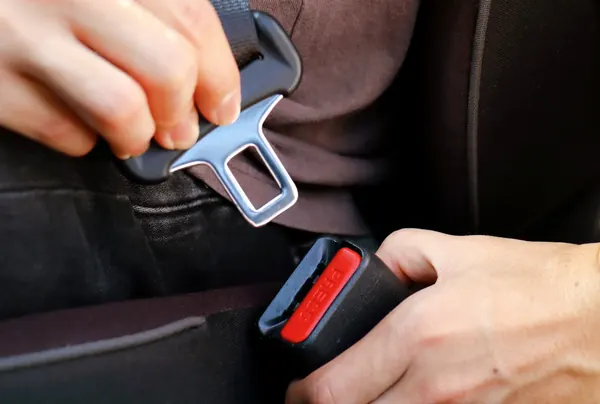
Drawn out
The occupant pulls the latch plate across the body. Webbing pays off the spool against light spring tension, so the belt extends only as far as it needs to.
-
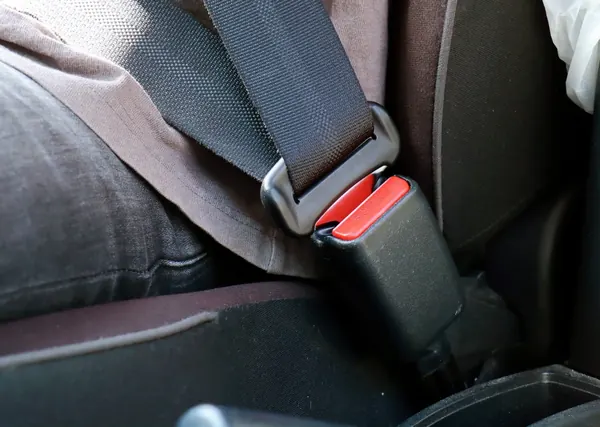
Engaged
The latch plate enters the buckle and is held. Remaining slack is taken up as the spool returns the excess, leaving the belt close against the occupant.
-
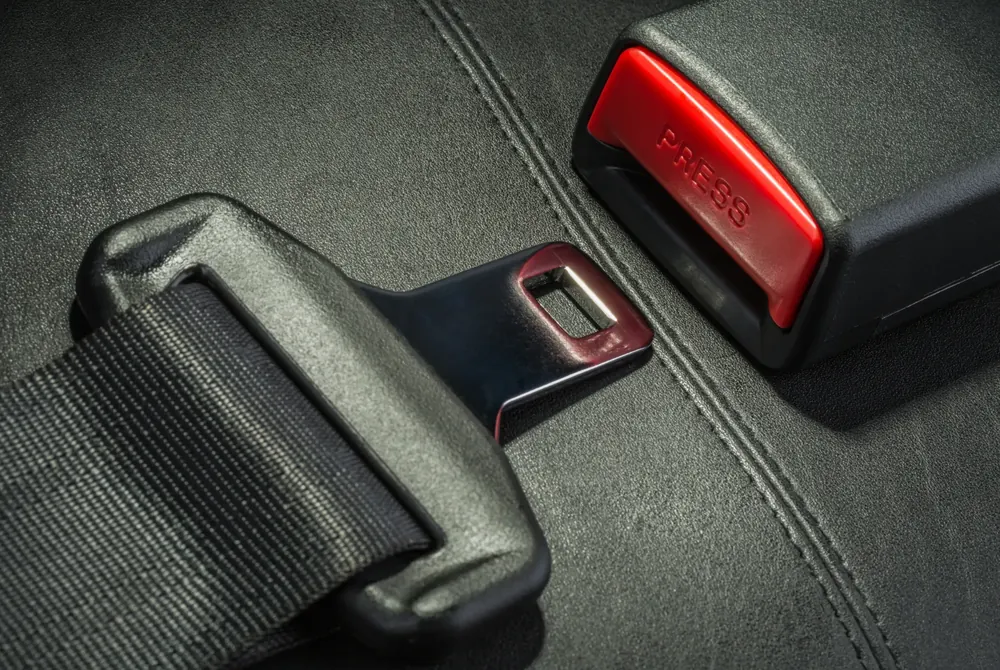
Released and returned
Pressing the release frees the latch plate, and the spool draws the webbing back to the stowed position ready for the next use.
Never open a retractor housing
Retractor internals are under spring tension and are not user-serviceable. If retraction is slow, incomplete or noisy, the assembly should be inspected by a qualified automotive technician.
What defines a retractable assembly
Retractor housing
Holds the spool and manages webbing return. Its mounting arrangement is a compatibility factor in its own right.
No manual length setting
Length is managed by the retractor, so correct use is mostly about routing rather than adjustment.
Webbing condition is visible
Because webbing cycles in and out constantly, wear tends to show along a predictable band — worth looking at.
Handed installation
Retractor orientation and webbing exit direction differ between left and right positions.
Applications
- Front and rear outboard positions in passenger cars
- Cab positions in commercial vehicles with high daily cycle counts
- Fleet requirements where a consistent specification is wanted
- Replacement of an existing retractable assembly

What has to correspond
- Retractor mountingLocation, orientation and fixing arrangement at the position
- HandingLeft or right; retractor and webbing exit mirror between sides
- GeometryThree-point or lap arrangement served by the retractor
- Webbing widthMust suit guides, adjusters and the latch plate
- Latch and bucklePositive engagement between the two halves
- AnchoragesAll attachment points present and in serviceable condition
What we can confirm
| Product category | Retractor-fed seat belt assemblies |
|---|---|
| Webbing management | Automatic return via retractor spool |
| Geometries served | Commonly three-point; lap arrangements where specified |
| Positions | Front and rear positions in passenger and commercial vehicles |
| Dimensional data | Not published — confirmed on enquiry for your requirement |
| Vehicle fitment | Not published — confirmed on enquiry for your requirement |
| Servicing | Retractor internals are not user-serviceable; inspection by a qualified technician |
| Installation | By a qualified automotive technician |
Retractable seat belt questions
Retraction behaviour is the most common subject here — and the one that most often needs a technician.
A retractor. The webbing is wound on a spool inside a housing, and a spring returns it when the belt is released. That is what allows the belt to sit close to the occupant without any manual length setting.
It is a reason to have the assembly inspected rather than a diagnosis we can make from here. Slow or incomplete retraction can come from several causes, and a qualified automotive technician examining the assembly is the right way to establish which. Please do not attempt to open a retractor housing.
Only where the position supports it. A retractor needs somewhere to mount, and the mounting arrangement is part of the vehicle rather than part of the belt. That question has to be answered at the vehicle by a qualified technician.
Usually, but not by definition. Retractable describes webbing management; three-point describes geometry. Most retractable assemblies you will meet are three-point, but the two terms answer different questions.
What is available depends on the requirement. Tell us whether you need a complete assembly or a specific part of one, and we will confirm what can be supplied against that.
Where to go next
Retraction problems usually end up as a replacement enquiry once a technician has looked at the assembly.

Enquire about retractable seat belts
Tell us the position, the side, the mounting arrangement and what the retractor is currently doing.