How to Choose the Right Seat Belt
Selection is a matching exercise, and it has an order. Work through it in the wrong order and you end up comparing products before you know what the position needs.

The order to work in
Five steps, and the sequence matters. Application, then position, then mounting, then compatibility, then product detail. Each step narrows the field for the next one, and skipping ahead means re-doing work.
- Vehicle application — what kind of vehicle, and in what context of use
- Position in the vehicle — which seat, which side
- Mounting configuration — how the assembly attaches at that position
- Compatibility factors — the dimensional and geometric matching points
- Product design details — the specifics of the item itself
Vehicle application
Start with the vehicle and how it is used, because that context changes what matters. A private car with one damaged rear belt is a different conversation to a working vehicle whose belts are cycled dozens of times a day, and different again to a fleet where consistency across a group is the actual objective.
Application also affects what you should plan for. In a commercial vehicle, buckle contamination and webbing wear accumulate faster, so the useful question is not only “what do I need now” but “what will I need again”. Our applications page sets out the considerations for each context.
Position in the vehicle
Then narrow to the specific seating position, and state the side of the cabin. This is where most avoidable errors happen, because assemblies are handed and a mirrored unit will not install correctly however similar it looks.
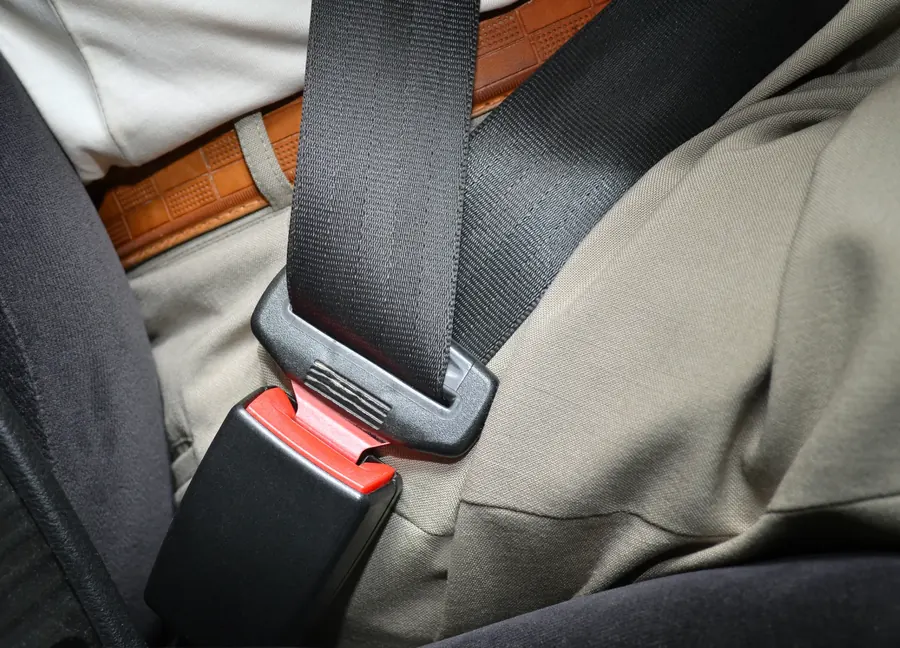
Describe the position like this
- Front or rear
- Outboard or centre
- Left or right within the cabin
- How many positions are involved in total
Mounting configuration
Mounting is a compatibility factor in its own right, not a fitting detail to resolve later. What matters is how many anchorage points the position uses, where they are, what hardware is at each, and how the assembly is oriented relative to them.
A three-point arrangement needs its upper anchorage, its buckle mount and its outboard anchorage. A lap arrangement needs its two. A retractable assembly additionally needs somewhere for the retractor housing to mount, in the correct orientation.
This is also the point at which a photograph earns its keep. An image of an anchorage shows the fixing type, the orientation and the surrounding structure at once, in a way that a written description does not.
Compatibility factors
With application, position and mounting established, the matching points come into focus. There are five that account for most compatibility questions.
| Configuration | Three-point, lap or retractable — must match what the position is built for |
|---|---|
| Handing | Left or right; assemblies mirror rather than being symmetrical |
| Mounting arrangement | Number, location and type of anchorage points |
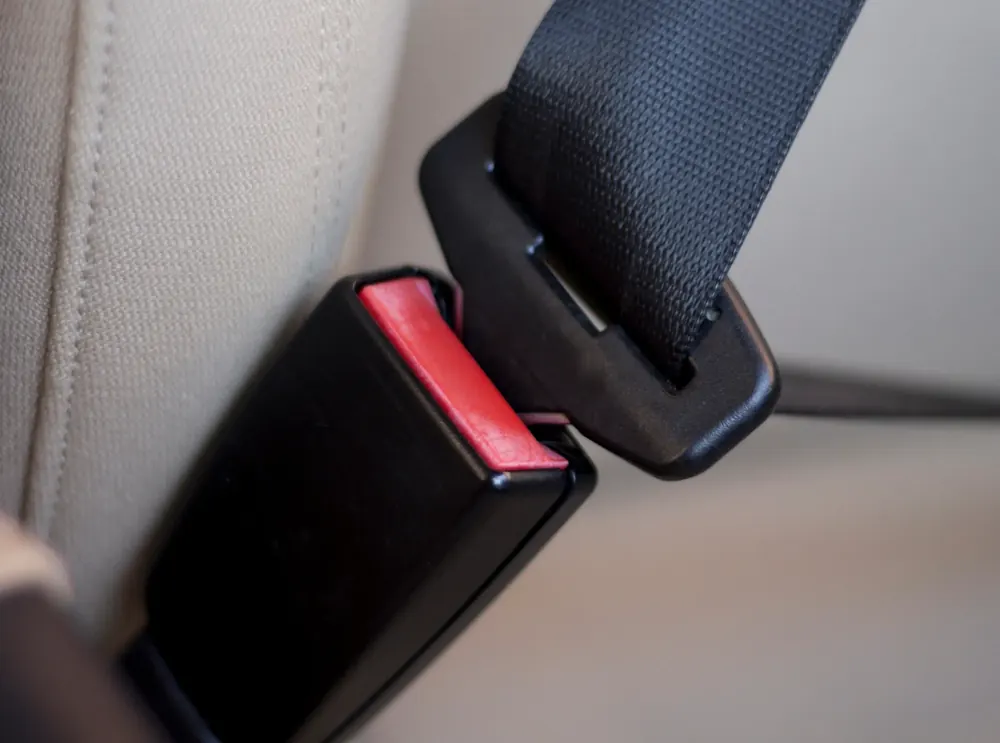
| Latch geometry | Latch plate profile, thickness and slot position against the buckle |
| Webbing width | Must suit guides, adjusters and the latch plate involved |
Product design details
Only now does it make sense to look at particular items. At this stage the useful questions are narrow: does this assembly serve the configuration the position needs, does it mount the way the position expects, and does its latch geometry correspond to the buckle that is staying in service?
You will notice that our product pages do not publish dimensional tables. That is deliberate. Where dimensional data exists for an item we share it against your requirement; where it does not, we would rather ask than fill the space with figures that might not apply to your vehicle.
When to get professional advice
Three situations call for a qualified automotive technician before ordering anything, not after.
- Something is not functioning as it should — retraction, latching, or release
- The assembly has been through a significant impact
- The installation is non-standard, or a position is being brought into use for the first time
In all three, the technician establishes what is actually required. Then the selection sequence above becomes straightforward, because you are matching to a known requirement rather than a guess. When you are ready, the enquiry form asks for exactly the information this page has worked through.