When Should a Vehicle Restraint System Be Inspected?
This article is about recognising when to ask a professional — not about diagnosing anything yourself. That distinction runs through everything below.
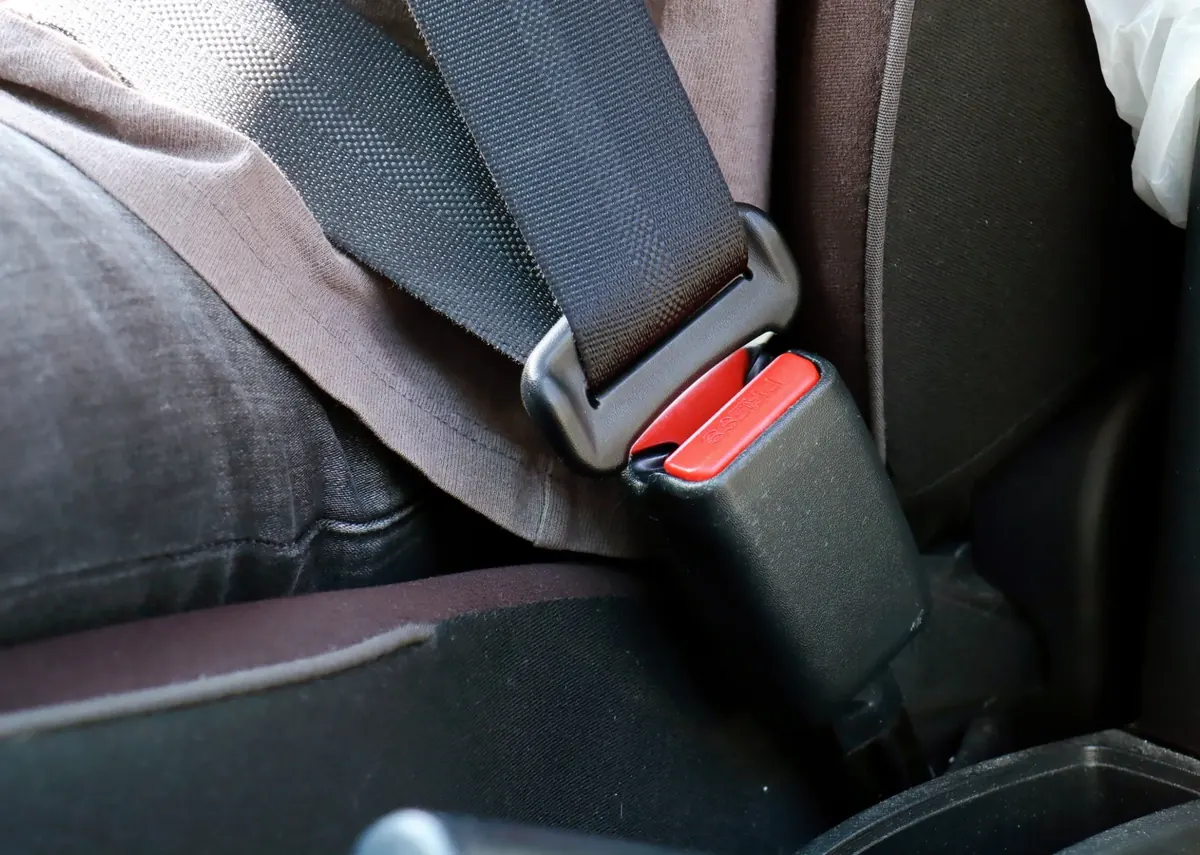
Where our advice stops
We can help you recognise what is worth reporting. We cannot tell you whether a particular assembly is fit to remain in service, and we will not try to from a photograph or a description. That assessment needs the assembly and its anchorages in front of a qualified automotive technician.
This is not caution for its own sake. A restraint component that is nearly serviceable is not meaningfully different from one that is not, and the only way to tell the two apart is examination.
The useful output of this article is a sentence you can take to a technician — not a verdict you can reach without one.
Webbing observations
Webbing is the part you can see the most of, so it is where most findings come from. Draw the belt out slowly to full extension and look along both faces, paying particular attention to the sections that pass through guides.
- Cuts, nicks or tears, at the edges or anywhere across the width
- Fraying, especially along the edges
- Deep abrasion, or a section that looks thinner, shinier or more compacted than the rest
- Chemical staining, or a patch that feels stiff, tacky or unusually rigid
- Heat damage — glazing, hardening, or fibres that look melted
- Mould growth, or a persistent damp smell after water ingress

Buckle and release observations
A buckle should accept the latch plate with a distinct, positive action, hold it securely, and release only when the button is pressed deliberately.
- Engagement that feels vague, soft or inconsistent
- A latch plate that can be withdrawn without pressing the release
- A release that needs unusual force, sticks, or fails to return
- Visible debris in the buckle throat
- A cracked or distorted housing
Clearing debris with dry compressed air or a soft dry brush is reasonable. Anything that needs more than that needs a technician — and lubricants should not go anywhere near the mechanism.
Retractor observations
The retractor is judged entirely by behaviour, because the housing stays closed.
- Webbing that does not return, or returns slowly and incompletely
- Webbing that binds partway out, or will not extend smoothly
- Unusual noise from the housing during extension or return
- Webbing that emerges twisted every time despite being fed back flat
One firm rule
Do not open a retractor housing. The internals are under spring tension, and opening one both risks injury and destroys the technician’s ability to assess the unit. Report the behaviour instead.
Anchorage observations
Anchorages are easy to overlook because they are usually behind trim. Where they are visible, look for corrosion, damaged or missing hardware, loose fixings, and any sign that trim around an anchorage has been disturbed and refitted incorrectly.
Because anchorages stay in service when a belt is replaced, their condition belongs in any inspection. Ask the technician to report on them explicitly.
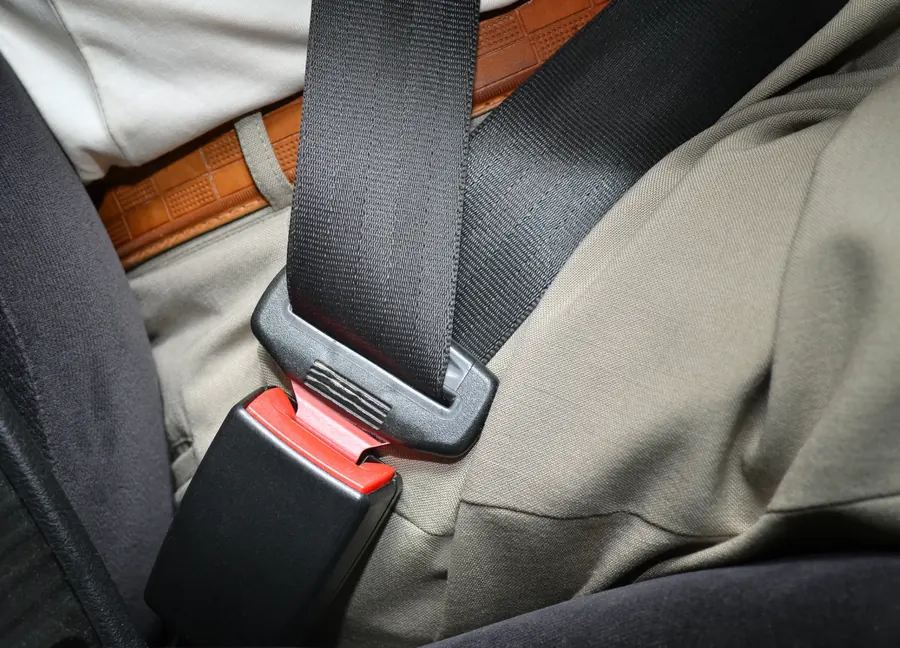
Events, not just symptoms
Some triggers are events. After any of these, arrange an inspection even if nothing looks or feels different.
- Any significant impact involving the vehicle
- Water ingress or flooding affecting the cabin
- Fire, sustained heat exposure, or a chemical spill inside the vehicle
- Work that involved removing or disturbing seats, trim or anchorages
- A vehicle returning to use after standing for a long period
- Purchase of a used vehicle whose history you do not know
A sensible schedule
For a private car, twice a year and after anything unusual is a reasonable rhythm — five minutes per position, following the observation lists above. For commercial vehicles and fleets, folding a restraint check into an existing service interval is more reliable than a separate task nobody owns.
Fleet operators get a second benefit from that: a record of what was checked and what was fitted at each position, which makes the next replacement quick to specify. Our fleet applications section covers this.
What never to attempt
- Repairing, splicing, sewing, knotting or shortening webbing
- Opening a retractor housing or dismantling a buckle
- Lubricating a buckle mechanism
- Bleach, solvents or strong detergents on webbing
- Fitting anything into a buckle to stop a warning system signalling
- Leaving a suspect assembly in service until it is convenient
If an inspection confirms that something needs replacing, you will have exactly what a product enquiry needs. Choosing a Replacement Seat Belt covers what to do with that information.