Three-Point Seat Belts
The lap-and-diagonal arrangement: webbing across the pelvis, webbing across the chest, and three points of attachment to the vehicle. It is the configuration most modern seating positions are built around, and the one most replacement enquiries concern.
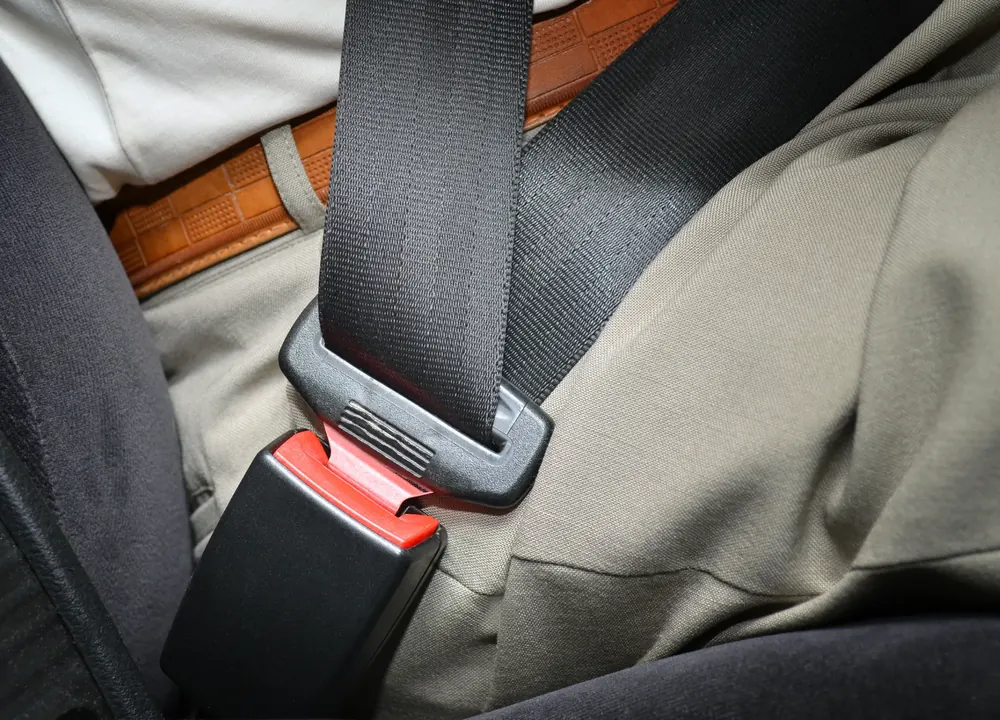
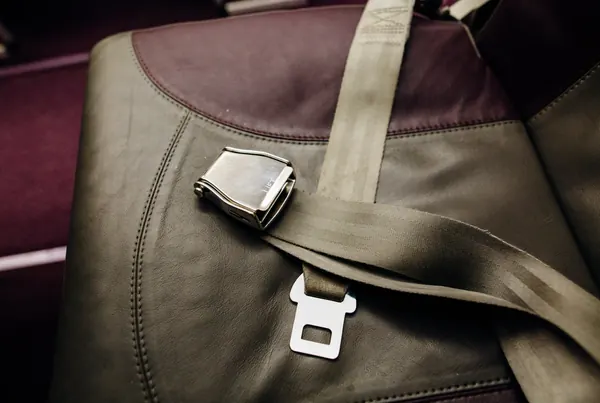
 Diagonal section in use
What a three-point assembly is
A three-point seat belt has two working sections. The lap section runs low across the pelvis. The diagonal section runs from an upper anchorage behind the shoulder, across the chest and over the collarbone region, down to the same buckle the lap section uses. Together they attach to the vehicle at three points, which is where the name comes from.
That geometry is the whole point. The lap section holds the pelvis, which is structurally suited to accepting load. The diagonal section manages the upper body, so the torso does not pivot forward unrestrained about the hips. Remove the diagonal and you have a different product with different behaviour — which is why lap and three-point assemblies are never treated as substitutes for one another.
Most three-point assemblies supplied today are retractable: the webbing lives on a spool in a retractor housing and is drawn out as the occupant pulls the belt across. Some three-point arrangements use manual adjustment instead. Both are three-point; they differ in how webbing length is managed.
For a replacement enquiry, the useful information is which position the assembly serves, which side of the cabin it is on, whether it retracts, and which parts you need. Those four answers plus a photograph will get you a far better reply than a vehicle name alone.
Three anchorages, two sections
The schematic below labels the three attachment points and the two working sections of webbing, using the same terms we use in enquiries.
- A1 — upper anchorageBehind and above the shoulder; sets the angle of the diagonal run
- A2 — buckleInboard of the seat base; where the latch plate engages
- A3 — outboard anchorageTerminates the lap section on the outboard side
- Diagonal sectionRestrains the upper body across chest and collarbone
- Lap sectionSits low across the pelvis, not across the abdomen
What defines the category
Lap and diagonal in one assembly
Both sections share a single buckle engagement, so the assembly has to be correct as a whole rather than assembled from convenient parts.
Three defined attachment points
Upper anchorage, buckle mount and outboard anchorage. All three have to correspond to the vehicle position.
Handed by design
Left and right positions mirror each other. Handing is one of the first things we confirm on any three-point enquiry.
Retractable or manually adjusted
Both exist within the three-point category. Say which one the position uses, because it changes what is relevant.
Matched latch and buckle
Latch plate geometry and buckle geometry must correspond for engagement to be clean and positive.
Where three-point assemblies are used
Front and rear outboard
The default arrangement at most outboard positions, and the most frequent replacement requirement we handle.
Passenger applicationsCab seating positions
Working vehicles where the same position is buckled and unbuckled many times a day, so wear accumulates faster.
Commercial applicationsWhere fitted
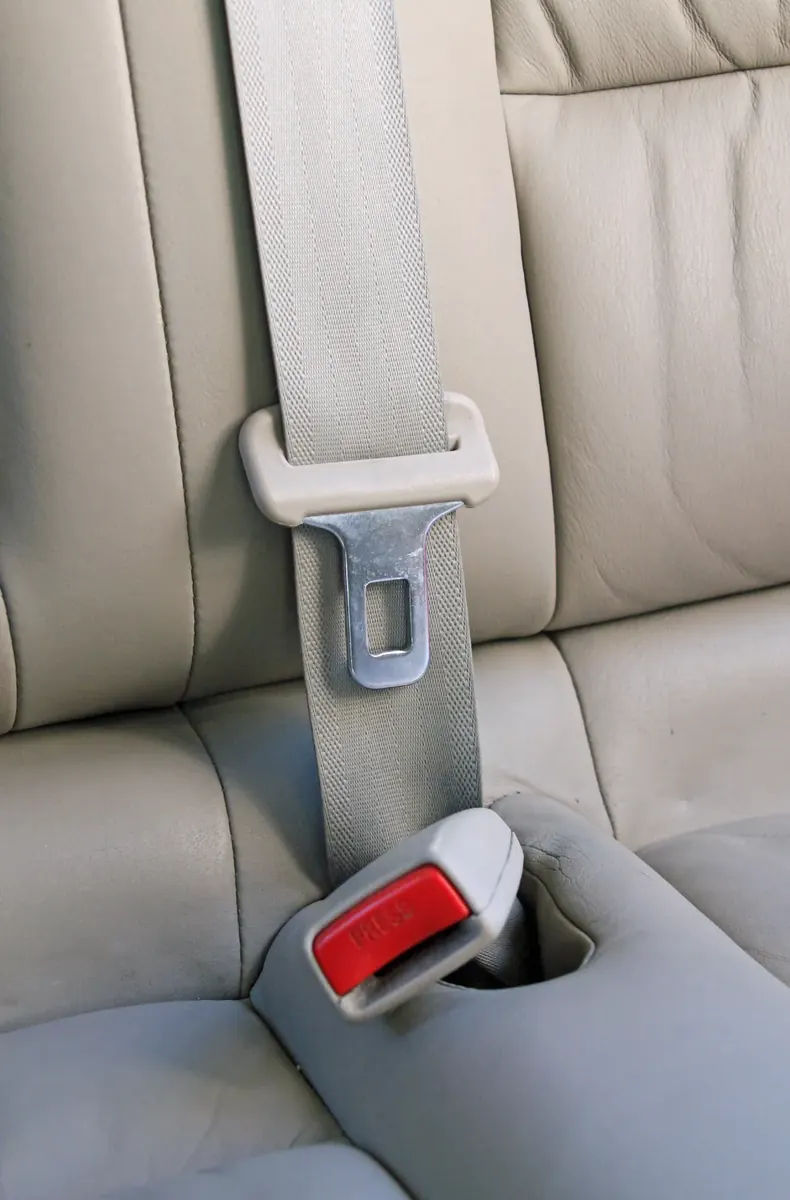
Some vehicles provide a three-point arrangement at the rear centre position; others use a lap belt. Check before matching a category.
Lap seat beltsBefore you order
- Confirm the position uses a three-point arrangement, not a lap belt
- Confirm handing — left or right within the cabin
- Establish whether the assembly retracts or is manually adjusted
- Identify all three anchorage points and the hardware at each
- Check latch plate and buckle correspondence
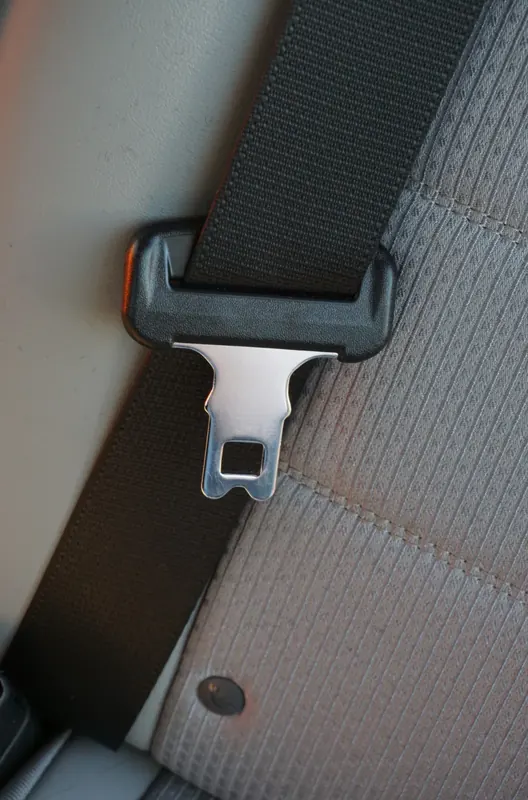
- Note webbing width and any guide or adjuster the belt passes through
- Arrange installation or verification with a qualified automotive technician
Upper anchorage is not optional
A three-point assembly relies on a suitable upper anchorage. If a position does not have one, that is a structural question for a qualified technician at the vehicle — not something to work around with a different belt.
What we can confirm
| Product category | Three-point lap-and-diagonal seat belt assemblies |
|---|---|
| Attachment points | Three — upper anchorage, buckle mount, outboard anchorage |
| Webbing management | Retractable and manually adjusted arrangements |
| Positions | Front and rear outboard; rear centre where a vehicle provides it |
| Dimensional data | Not published — confirmed on enquiry for your requirement |
| Vehicle fitment | Not published — confirmed on enquiry for your requirement |
| Installation | By a qualified automotive technician; all three anchorages verified at the vehicle |
Three-point seat belt questions
The five questions that come up most often on three-point enquiries.
No. Three-point describes the geometry — lap plus diagonal, anchored at three points. Retractable describes how the webbing is managed. Most modern three-point belts are retractable, but three-point assemblies with manual adjustment also exist. Check which is fitted at the position before matching a category.
That is not a parts question, it is a structural one. A three-point arrangement needs a suitable upper anchorage, and whether a vehicle has one at a given position — and whether it is intended to carry that load — is something a qualified automotive technician must establish at the vehicle. We will not confirm such a conversion from a description.
Because it is what restrains the upper body. A lap section alone holds the pelvis; the diagonal manages the torso, which is why a three-point belt and a two-point lap belt are not equivalent even though both fasten an occupant.
Some vehicles provide height adjustment at the upper anchorage; where they do, adjusting it so the webbing crosses the collarbone rather than the neck is the correct fix. What should never be done is routing the belt under the arm or behind the back, or adding anything that changes how the webbing sits.
Yes, always. Three-point assemblies are handed, and the upper anchorage, buckle stalk and webbing exit all mirror between left and right positions.
Compare with the neighbouring categories
Three-point sits between the general car seat belt group and the two configuration-specific categories.
Enquire about three-point seat belts
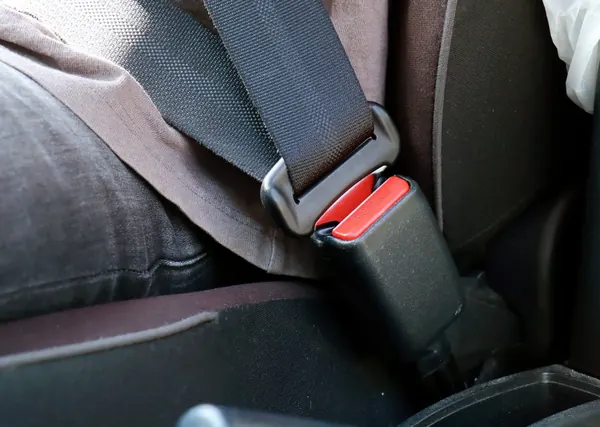
Tell us the position, the side, whether it retracts, and which parts you need.