A/01Cars

Passenger Vehicles
Everyday cars where a belt has been damaged, no longer retracts, or a buckle needs replacing.
- Front and rear positions
- Single-position replacements
- Buckle and receiver matching
Automotive Seat Belt Solutions
Explore automotive seat belt solutions designed for vehicle applications, replacement requirements and safety-focused needs — presented with clear product information and a direct enquiry route for compatibility questions.
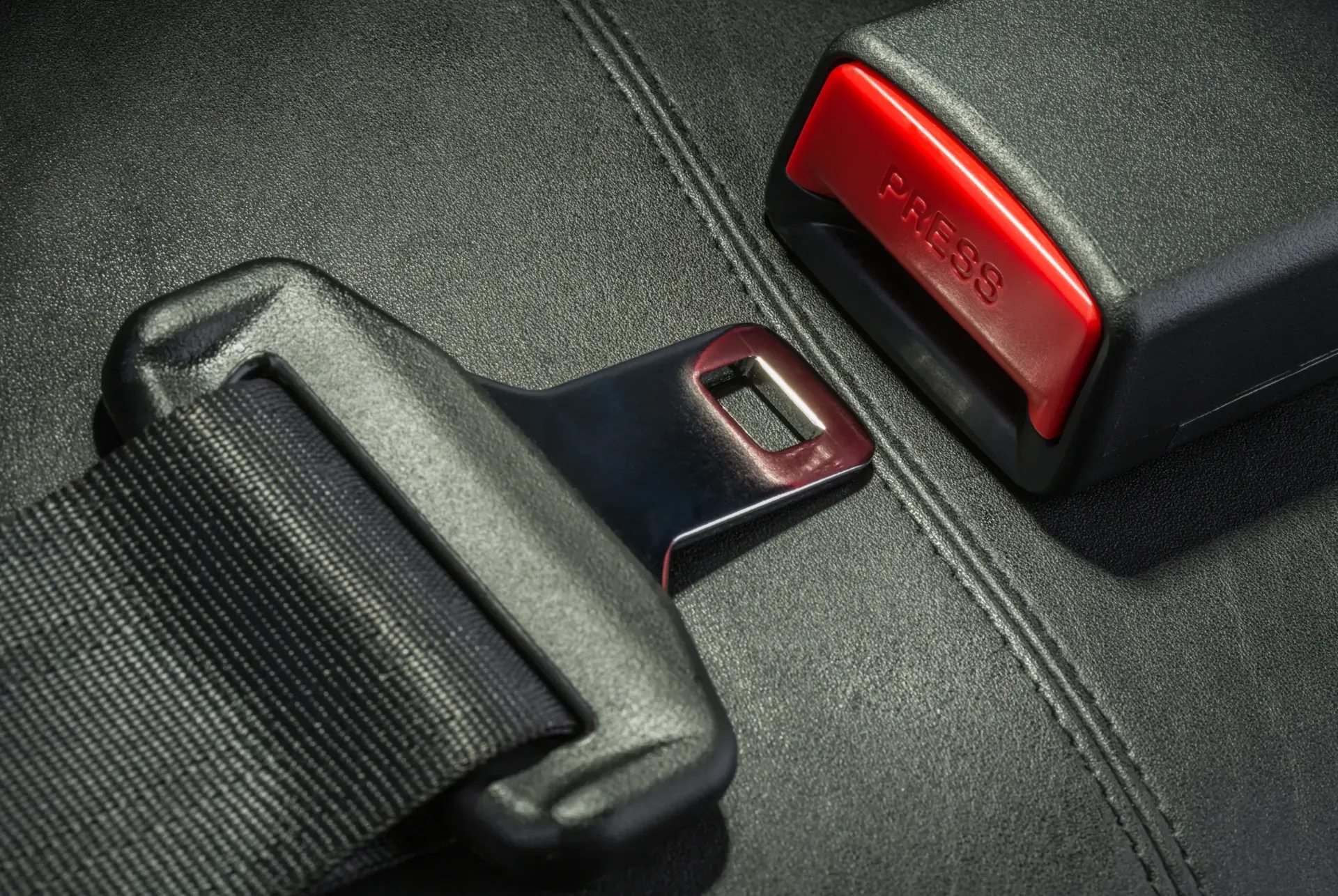 Tongue & Receiver
Every requirement starts somewhere different — a specific belt configuration, a buckle that needs matching, or a complete replacement assembly. Each category below explains what the product group covers and what information helps us respond accurately to an enquiry.
Browse the full catalogue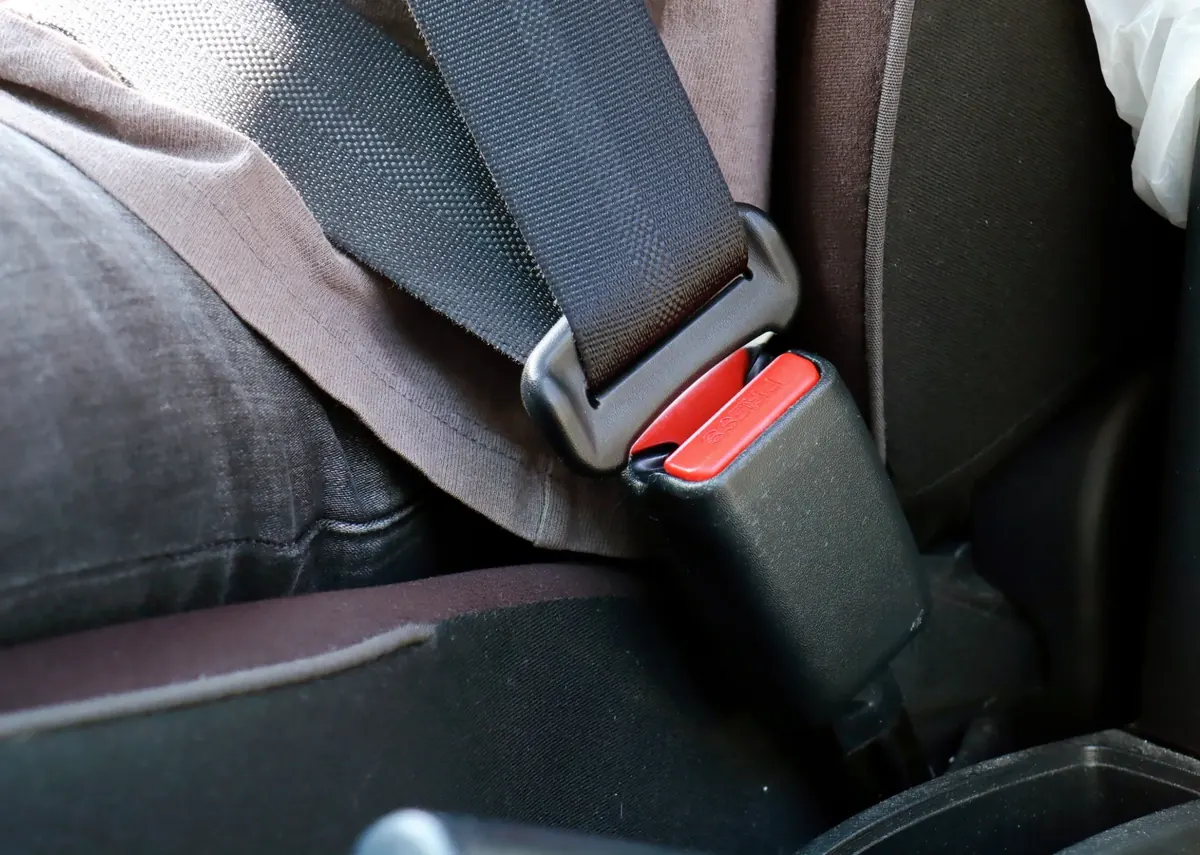 Category 01
Car Seat Belts
Seat belt assemblies for passenger car positions, covering front and rear seating requirements.
View category
Category 01
Car Seat Belts
Seat belt assemblies for passenger car positions, covering front and rear seating requirements.
View category
 Category 02
Retractable Seat Belts
Retractor-based assemblies where webbing extends on demand and returns to a stowed position.
View category
Category 02
Retractable Seat Belts
Retractor-based assemblies where webbing extends on demand and returns to a stowed position.
View category
 Category 03
Buckles & Receivers
Buckle bodies, receivers and latch components where an existing belt requires a matching part.
View category
Category 03
Buckles & Receivers
Buckle bodies, receivers and latch components where an existing belt requires a matching part.
View category
 Category 04
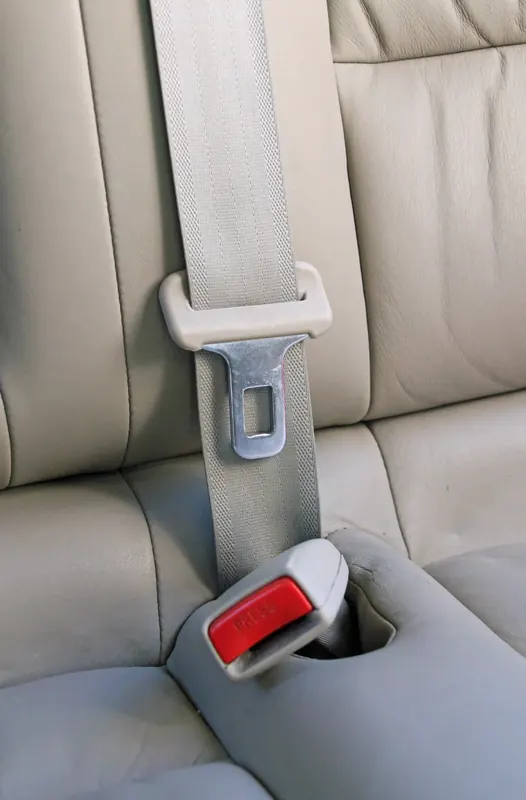
Three-Point Belts
Lap-and-diagonal configurations for standard occupant seating positions.
View category
Category 04
Three-Point Belts
Lap-and-diagonal configurations for standard occupant seating positions.
View category
 Category 05
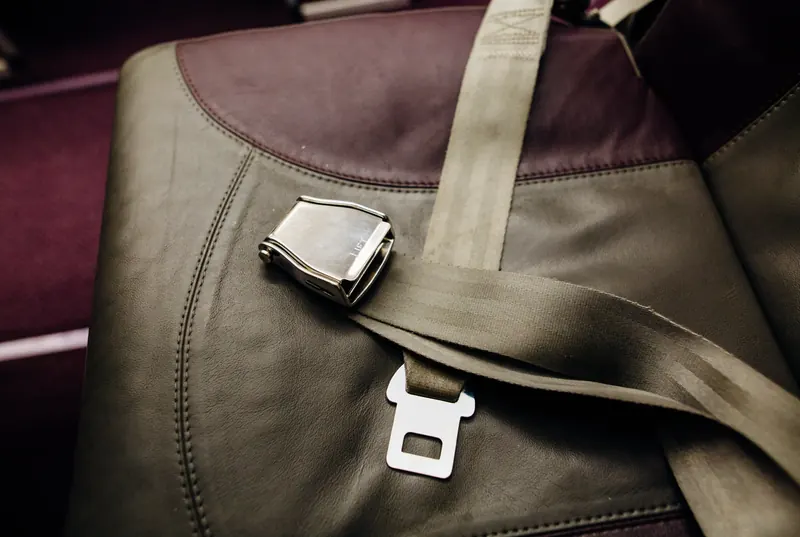
Lap Seat Belts
Two-point lap configurations for positions where a lap belt is the specified arrangement.
View category
Category 05
Lap Seat Belts
Two-point lap configurations for positions where a lap belt is the specified arrangement.
View category
 Category 06
Accessories
Supporting hardware and accessory items associated with seat belt installations.
View category
Category 06
Accessories
Supporting hardware and accessory items associated with seat belt installations.
View category
Compatibility is confirmed, not assumed
We do not publish blanket vehicle-fitment claims. Where a specific vehicle, seating position or mounting arrangement matters, share those details in your enquiry so the response is based on your actual requirement.
A seat belt is not a passive strap. It is part of an occupant restraint system whose job is to keep a person in a controlled position relative to the seat and the vehicle structure during sudden deceleration.
Read the full guideThe belt is designed to sit across the pelvis and the collarbone-to-chest region so that load is transferred through parts of the body better able to accept it. A belt worn under the arm, behind the back, or twisted along its length does not present the same geometry, which is why correct routing matters as much as the product itself.
When a vehicle stops abruptly, unrestrained occupants continue moving at the speed the vehicle was travelling. The restraint system is what couples the occupant to the decelerating structure instead of to the interior surfaces or, in the worst case, the world outside the vehicle.
Restraint applies to rear seats as much as front. An unrestrained rear occupant is not only exposed themselves but represents a moving mass inside a shared cabin. Where a vehicle provides a belt for a position, that belt is there to be used on every journey, however short.
Webbing that is cut, frayed, chemically stained or heat-damaged, a buckle that will not latch positively, a retractor that no longer pulls webbing back, or a belt that has been through a significant impact — these are all reasons to have the assembly inspected by a qualified automotive technician rather than left in service.

Restraint is a whole-cabin consideration: a belt is provided for each designated seating position, and each one is intended to be used.
Occupant restraintSeat belt selection is a matching exercise. Work through the steps below and you will have most of what is needed for an accurate response — open each step to see what to look for.
Start with the vehicle and the seating position rather than the part. A front outboard position, a rear centre position and a commercial vehicle bench all present different mounting and routing conditions.
Configuration is the next filter. A three-point lap-and-diagonal belt, a two-point lap belt and a retractable assembly are not interchangeable simply because they fasten an occupant.
Compatibility covers more than the belt looking similar. Mounting points, anchor hardware, webbing width, latch geometry and the direction the assembly is handed all affect whether a part suits the position.
Read the category page for the product group you are considering. Each page sets out what the category covers, the applications it is generally associated with, and the details worth confirming before committing to a part.
Send the details you have gathered through the enquiry form, or call directly. Photographs of the existing assembly, its mounting points and any part marking are the single most useful thing you can include.
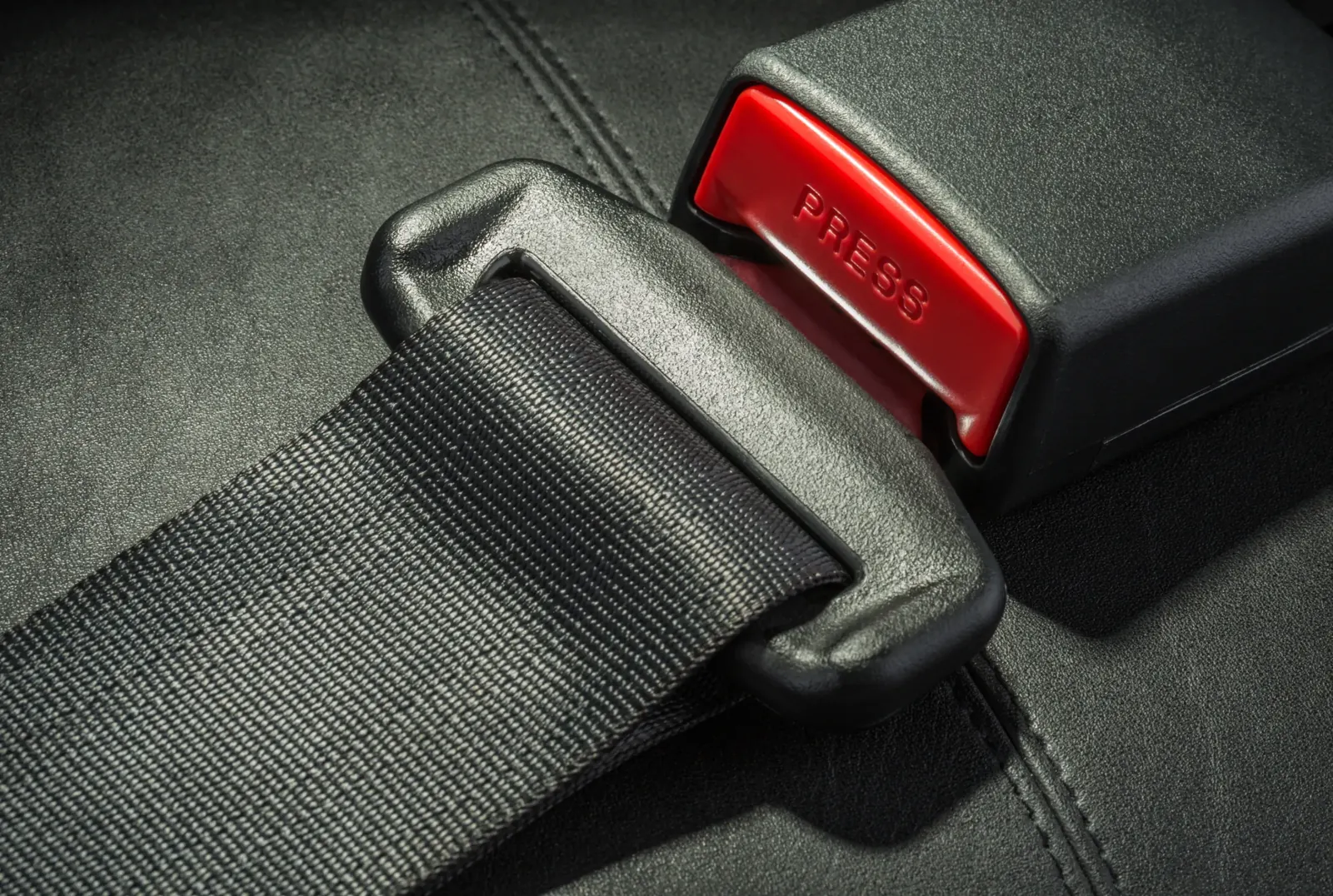 Webbing · Latch · Buckle
A retractable assembly holds its webbing on a spool inside a retractor housing. Webbing pays out as the occupant draws it across the body and is taken back in when released, so the belt sits close to the occupant without needing manual length adjustment.
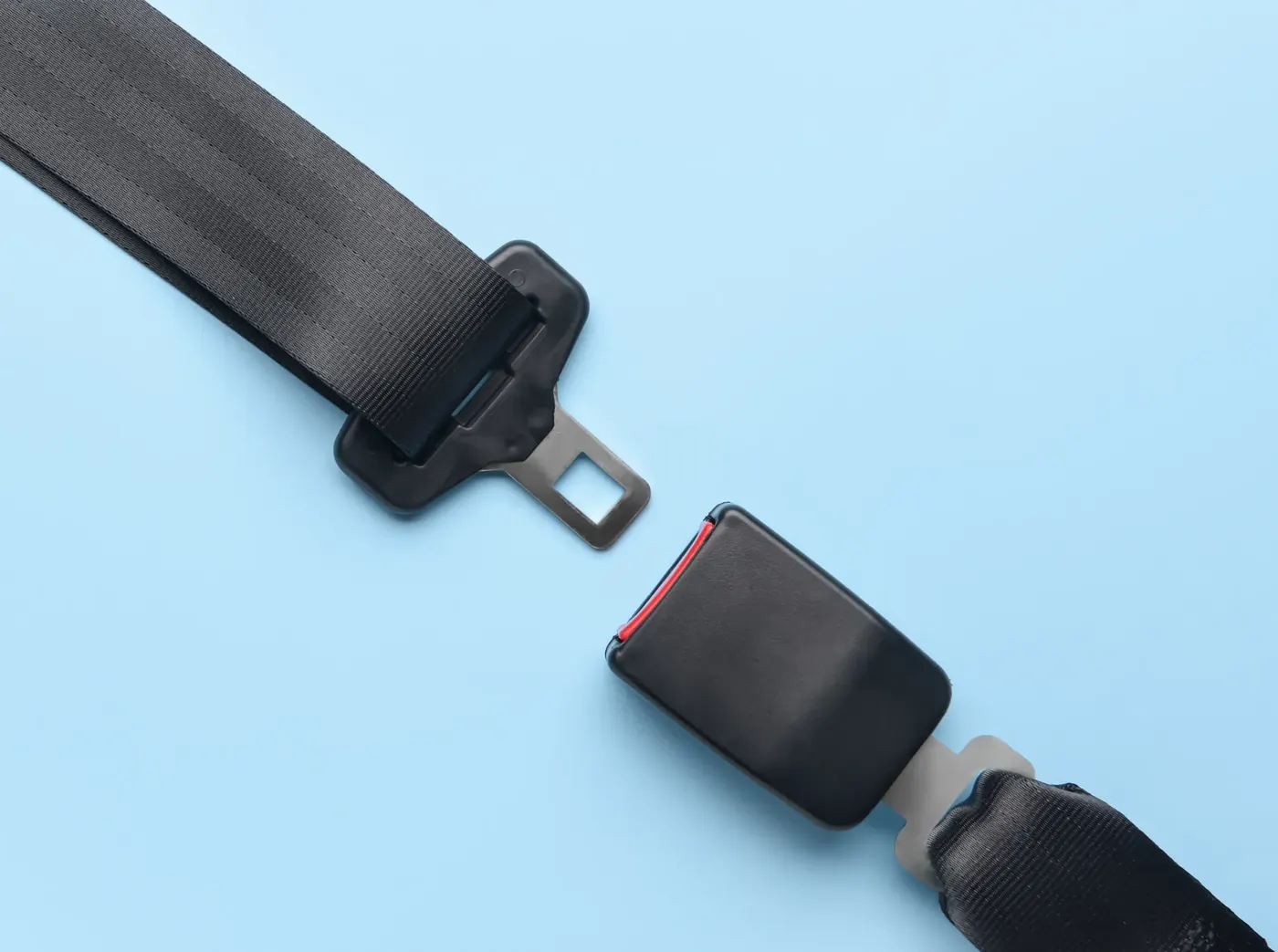 Assembly halves
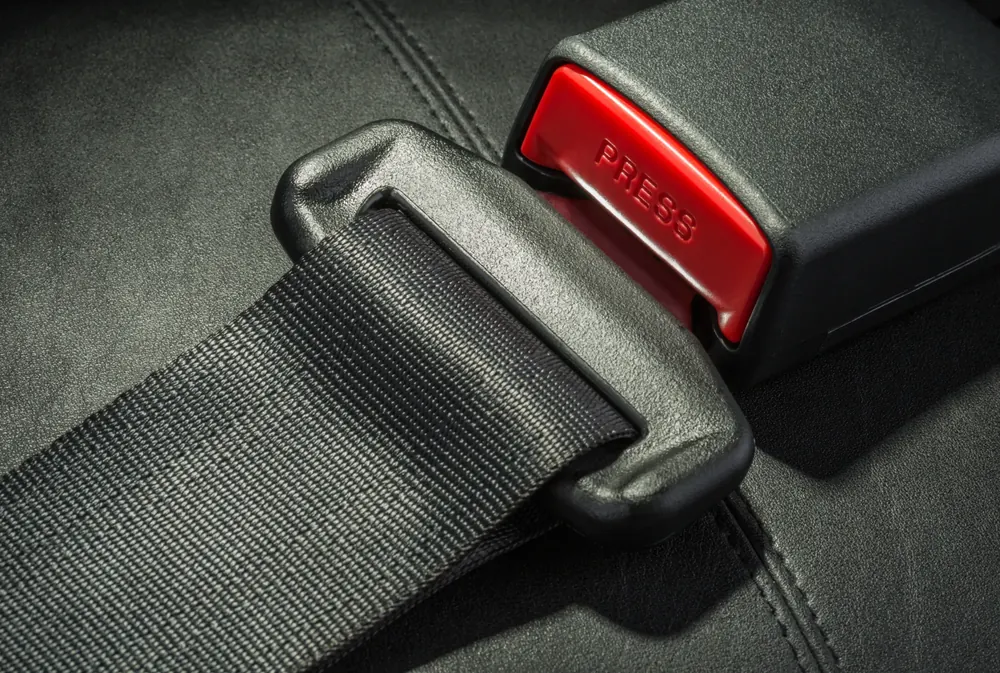
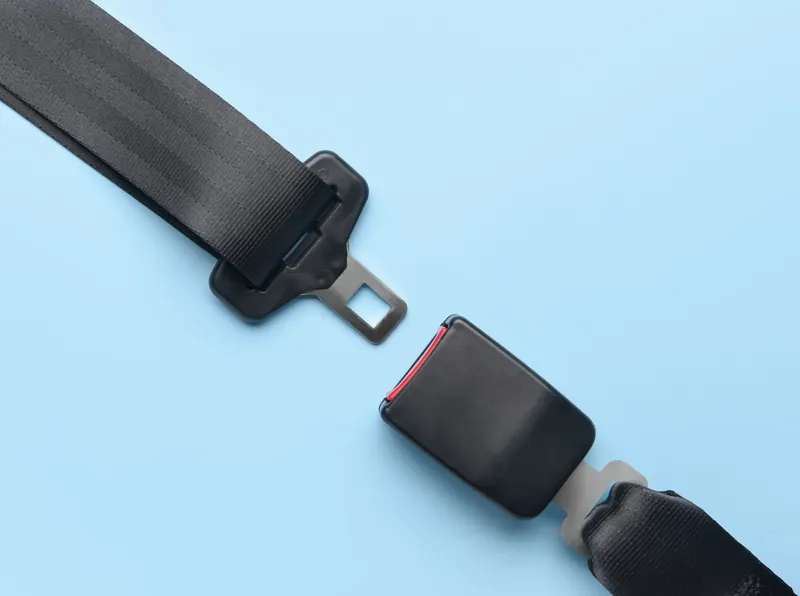
Latch & buckle interface
Assembly halves
Latch & buckle interface
Replacement work is where compatibility questions concentrate. The two halves of an assembly have to engage positively with each other and anchor correctly to the vehicle, which is why a replacement enquiry benefits from photographs and mounting details rather than a part description alone.
Select a marker on the photograph to read what each part of the assembly does. Shared terminology removes most of the ambiguity from a product enquiry.
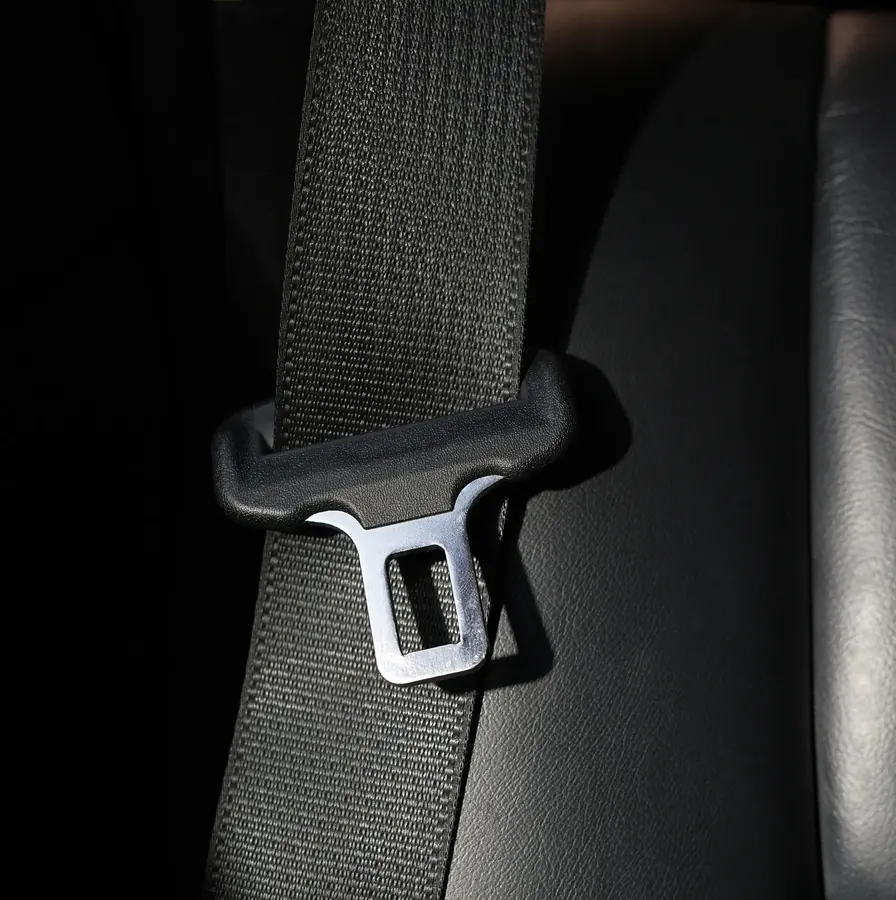
The woven strap that spans the occupant and carries load into the anchorages. Webbing condition is one of the clearest reasons to have an assembly inspected: cuts, fraying, deep abrasion, chemical staining or heat damage all change the material it started as.
The metal plate on the webbing that inserts into the buckle. Its shape, thickness and slot position have to correspond to the buckle it engages, which is why latch geometry is a matching point in any replacement enquiry.
The housing that accepts the latch plate and holds it until released. A buckle should take the latch plate with a distinct, positive engagement and hold it securely; anything vague or intermittent is a reason for inspection rather than continued use.
The press control — commonly red — that frees the latch plate. It should release cleanly when pressed deliberately and not at any other time. Obstruction from debris or a sticking action is worth having looked at.
The anchorages and hardware that connect the assembly to the vehicle structure. Mounting arrangement is a compatibility factor in its own right, and anchor hardware should always be fitted and torqued by a qualified automotive technician.
Application context changes what matters. A single replacement in a family car and a multi-vehicle fleet requirement are different conversations, even when the product category is the same.
All applicationsEveryday cars where a belt has been damaged, no longer retracts, or a buckle needs replacing.
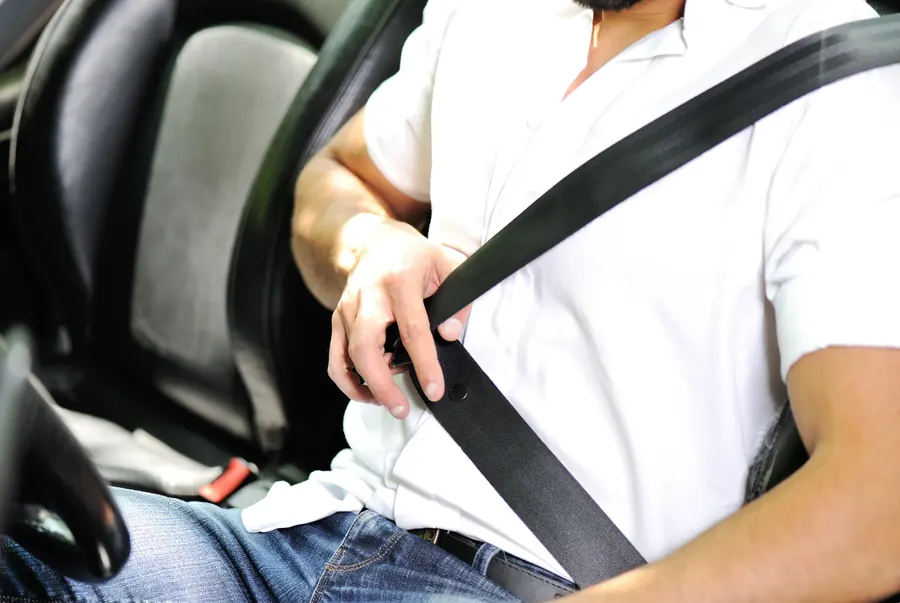
Working vehicles where belts see heavy daily use and cabin environments are harder on materials.
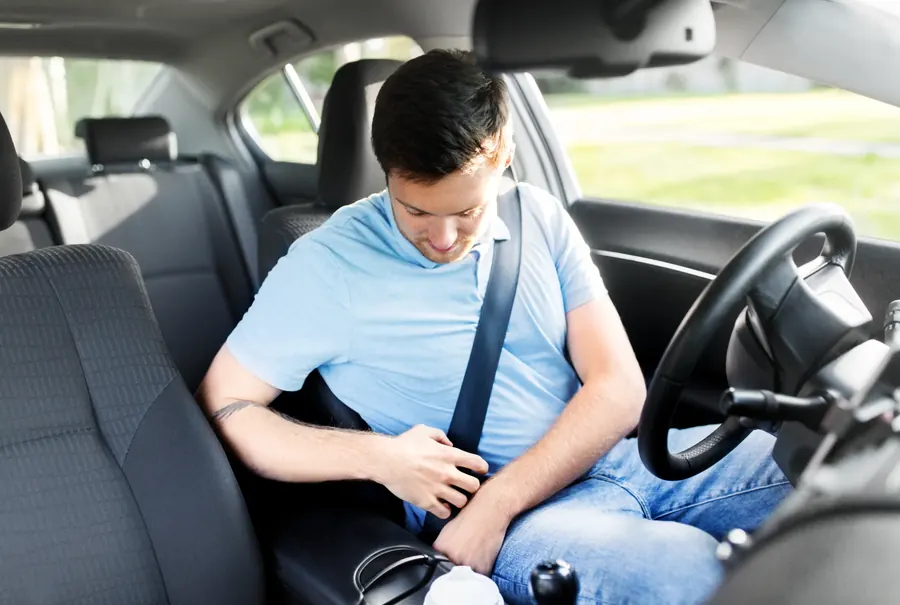
Multi-vehicle operations that need consistency across a group rather than one-off parts.
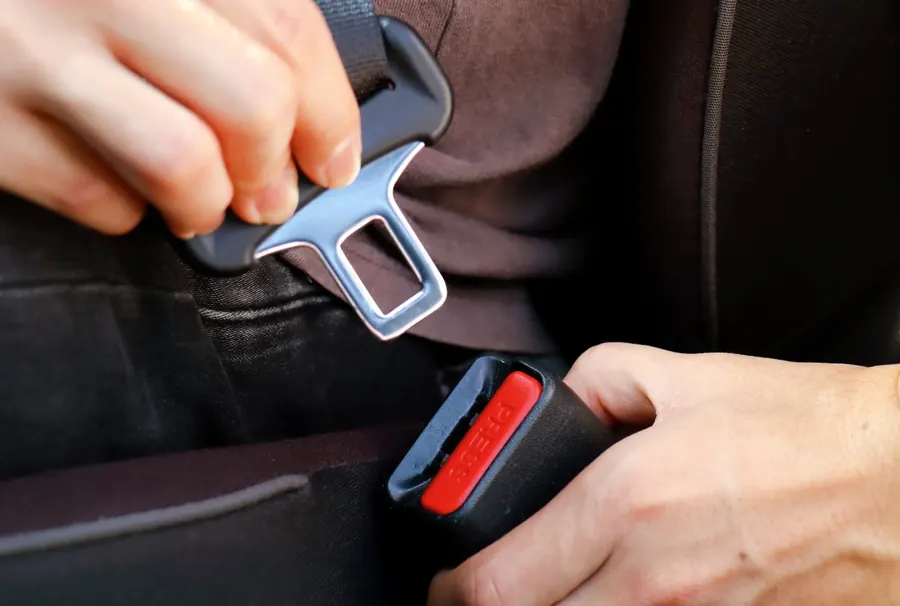
Cases where an existing assembly is being replaced and matching is the whole task.
Plain explanations of restraint configurations, inspection triggers, replacement matching and everyday care — written to be useful rather than promotional.
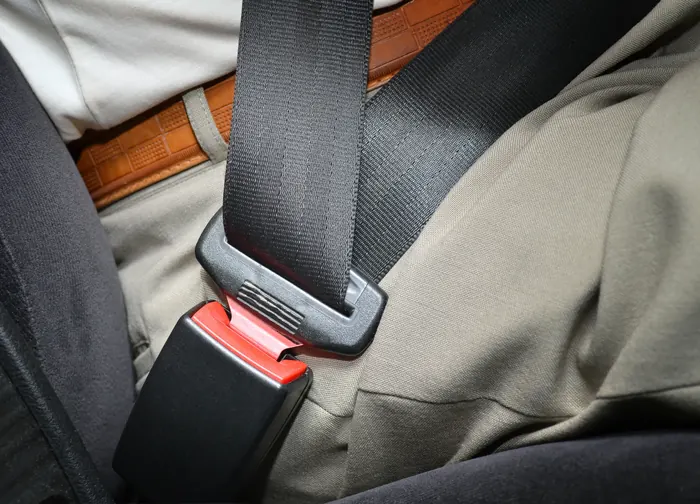
Three-point, lap and retractable assemblies explained side by side — what distinguishes each configuration, where each is typically found, and which details decide whether one suits a given seating position.
Read the guide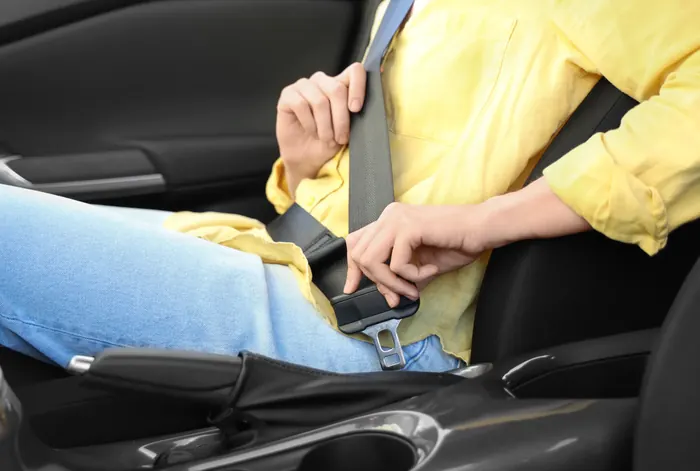
The observations that justify a professional inspection — and what not to diagnose yourself.
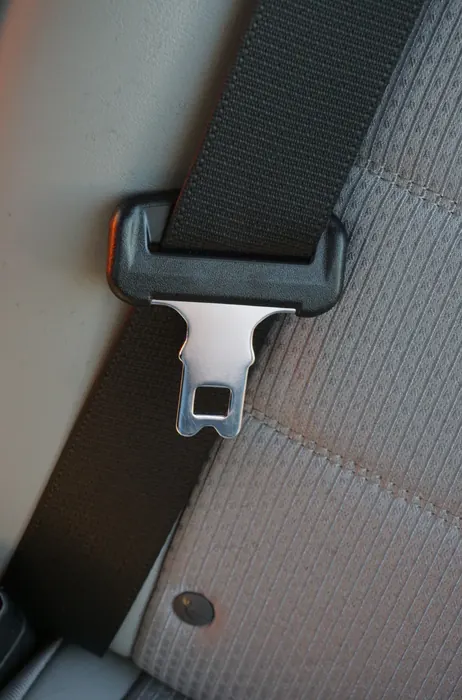
Vehicle application, position, mounting arrangement and compatibility, in a workable order.
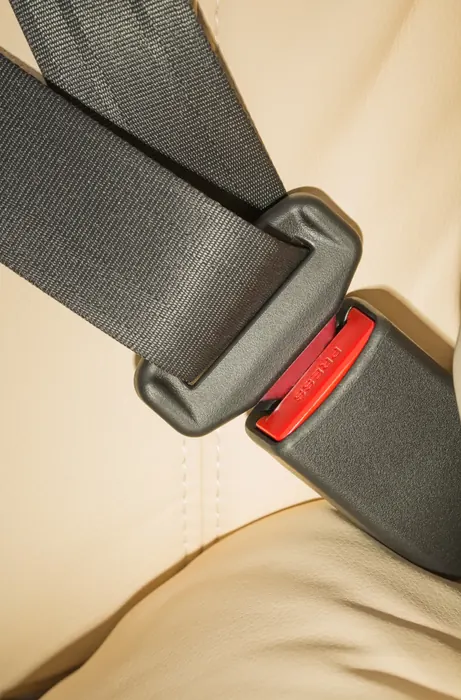
Safe, general care guidance for webbing, buckles and retractors — and what to avoid.

Explore the available product categories, or send us the details of your requirement and we will come back to you with what is relevant to your vehicle and seating position.