The Importance of Proper Seat Belt Usage
A restraint assembly can only work through the geometry it is given. How a belt is worn is not a comfort preference — it is part of whether the product performs as designed.
Geometry is the design
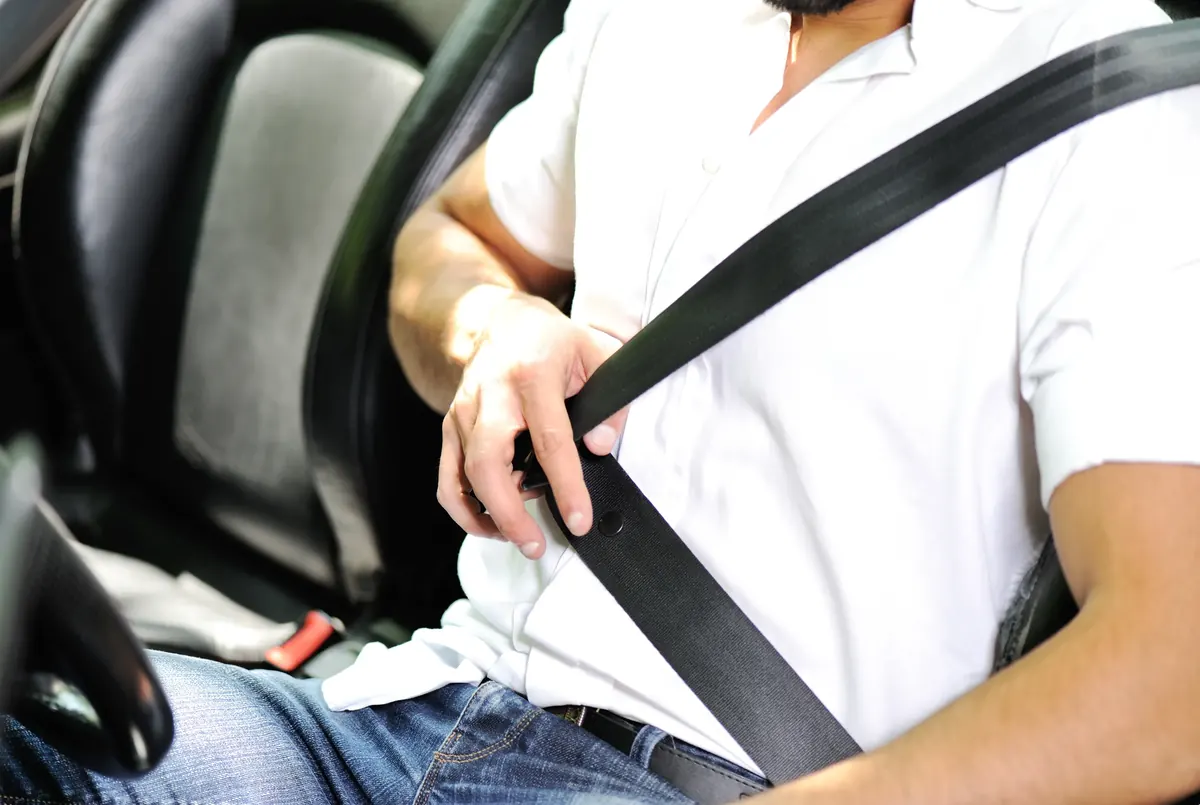
A seat belt is engineered around where it sits on a body. The lap section is placed to load the pelvis; the diagonal section is placed to cross the chest and pass over the collarbone. Those placements are not coincidental outcomes of the belt’s length — they are the reason the assembly is shaped and anchored the way it is.
Which means that changing the geometry changes the product. A belt routed differently is not a slightly less comfortable version of the same restraint; it is a different arrangement of load paths.
You can fasten a belt correctly and you can fasten it so it clicks. Those are not the same achievement.
The lap section
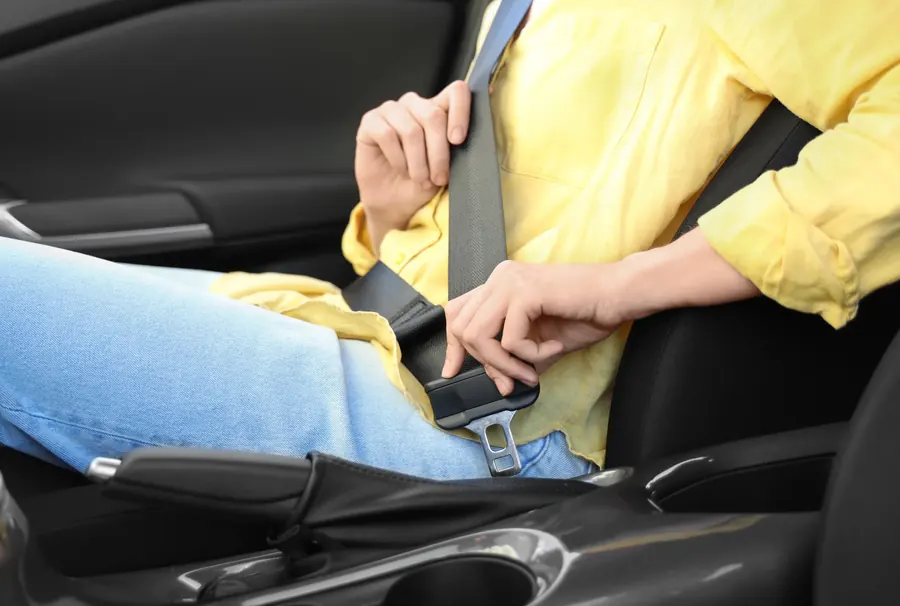
The lap section should sit low and snug across the pelvis. Low matters because the pelvis is a structure suited to accepting load; the abdomen is not. A lap section riding up above the hip bones presents load to soft tissue instead of bone.
Snug matters because slack has to be taken up before the belt begins to restrain anything. On a manually adjusted lap belt this is entirely in the occupant’s hands, which is why an adjuster that slips is a reason for inspection rather than a habit to work around.
The diagonal section
The diagonal section should cross the chest and pass over the collarbone region — not up against the neck, and not out at the edge of the shoulder. Some vehicles provide height adjustment at the upper anchorage precisely so this can be set correctly for different occupants; where that exists, it is worth using.
Two routings should never be used. Under the arm puts the webbing across the ribs and bypasses the upper-body restraint the section exists to provide. Behind the back removes the diagonal section from the arrangement entirely while still allowing the buckle to latch and any warning system to fall silent — which is the most misleading part of it.
Correct routing, in one list
- Lap section low across the pelvis, not across the abdomen
- Diagonal section across the chest, over the collarbone
- Never under the arm; never behind the back
- Upper anchorage height adjusted where the vehicle provides it
Flat, untwisted, snug
Webbing is designed to spread load across its full width. A twist concentrates that load along a narrower line, and it also puts a hard edge against the body. A belt that emerges twisted every time despite being fed back flat is telling you something about the retractor or a guide, and is worth mentioning at the next service.
Snugness is the other half of it. On a retractable assembly the spool takes up slack automatically, so the practical task is simply not to defeat it — nothing wedged between webbing and body, nothing holding the belt away.
Every occupant, every journey
Restraint is a whole-cabin consideration. An unrestrained rear occupant is exposed themselves and is also a mass moving inside a space shared with everyone else. Where a vehicle provides a belt for a designated position, it is there to be used — including on the short journeys where the habit most often lapses.

Accessories that work against it
A category of products exists whose entire function is to change the geometry described above — comfort clips that introduce slack, sleeves and pads that reposition the diagonal section, and buckle inserts whose purpose is to stop a warning system signalling.
We do not supply them, and this is why: each one takes an assembly that was engineered around a particular geometry and moves it away from that geometry. If a belt is genuinely uncomfortable, the useful questions are whether the upper anchorage height can be adjusted and whether the assembly is in good order — both of which a qualified automotive technician can answer.
Our accessories page sets out what we do supply and, just as clearly, what we do not. If a warning system is behaving unexpectedly, see Seat Belt Inspection instead.