Replacement Considerations
Replacing an assembly is not the same task as specifying one. You are matching to something that already exists — and resemblance is not the same as correspondence.
Why fitment matters
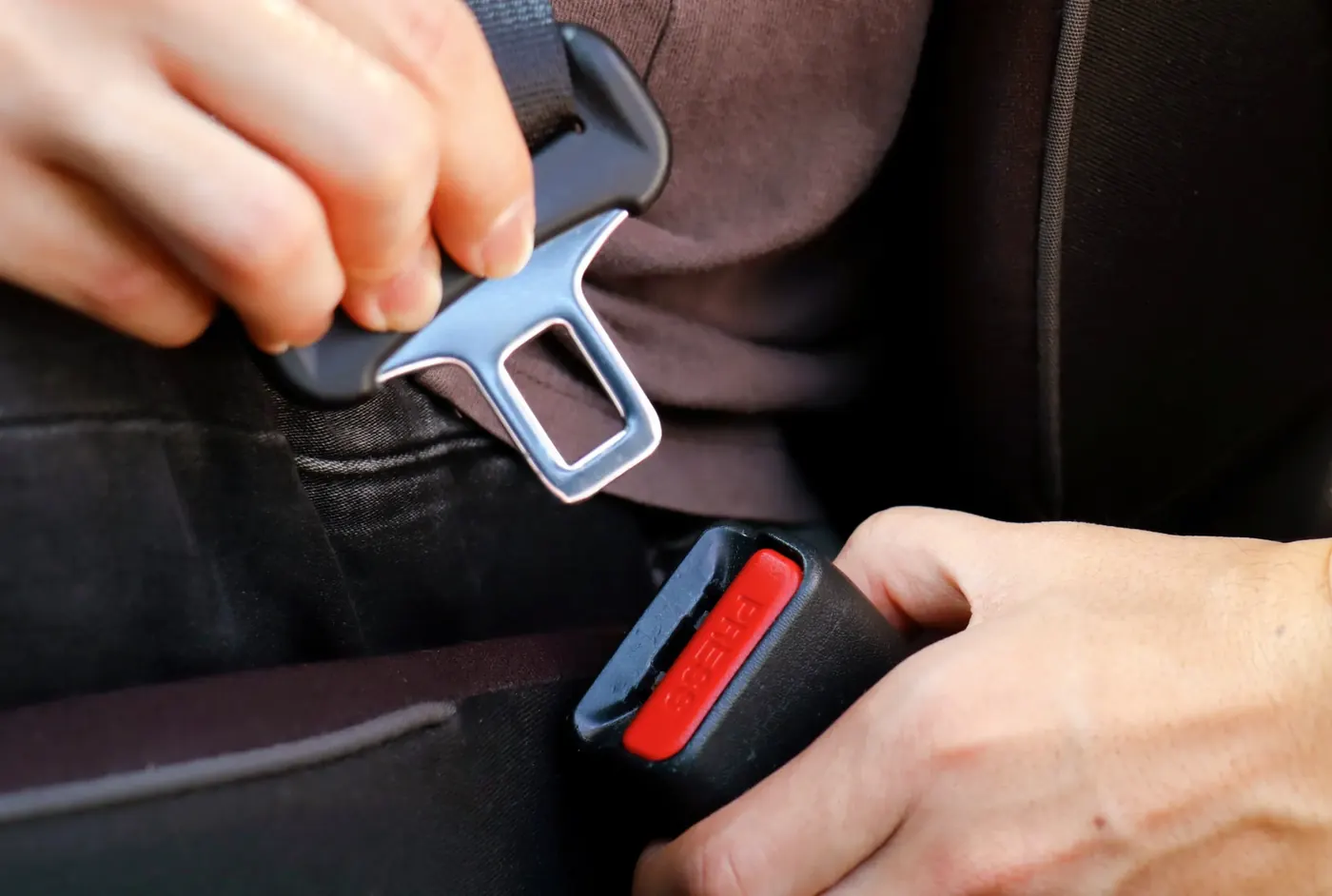
A restraint assembly performs its function through the vehicle it is attached to. The belt manages the occupant; the anchorages and structure manage the belt. That chain is only as good as its connections, which is why fitment is a safety consideration rather than an installation convenience.
It is also why “it fits” is an unhelpful test. Webbing will pass through a guide it was not made for. A latch plate will enter a buckle it does not correspond to. Neither observation tells you the assembly is right for the position.
The question is never whether parts can be made to go together. It is whether they were meant to.
Deciding the scope
First decision: what is being replaced. There are three common answers, and they are not equally simple.
- The complete assembly — matched to the position. The most straightforward case, because everything new corresponds to everything else new.
- The webbing side only — matched to the position and to the buckle staying in service.
- The buckle side only — matched to the position and to the latch plate staying in service.
Cases two and three carry an extra constraint, and it is worth being honest about them: if the half that is staying has seen the same service life as the half being replaced, replacing the pair is often the sounder route. A technician who has inspected the assembly is the right person to advise on that.
What has to correspond
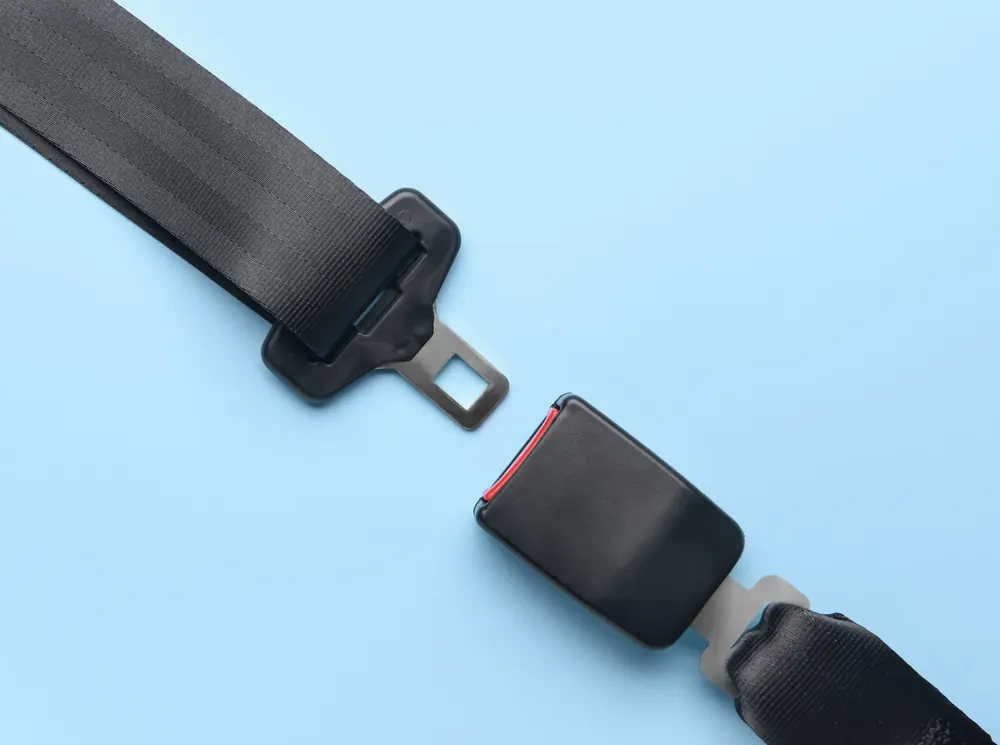
| Configuration | Three-point, lap or retractable, as the position requires |
|---|---|
| Position and handing | Which seat, and which side of the cabin |
| Mounting arrangement | Number, location and type of anchorage points |
| Latch geometry | Plate profile, thickness and slot position against the buckle |
| Webbing width | Across guides, adjusters and the latch plate |
| Retractor mounting | Where retractable — location and orientation |
The parts that stay
A replacement conversation tends to focus on what is arriving. It is worth an equal look at what is staying. Anchorage hardware, mounting points, guides and the opposite half of the assembly all remain in service, and all of them affect the outcome.
Corroded or damaged anchorage hardware, a cracked webbing guide, or a buckle whose engagement is already becoming vague will not be improved by a new belt fitted alongside them. Ask the technician inspecting the assembly to report on those too, so the replacement is specified once.
Evidence beats description
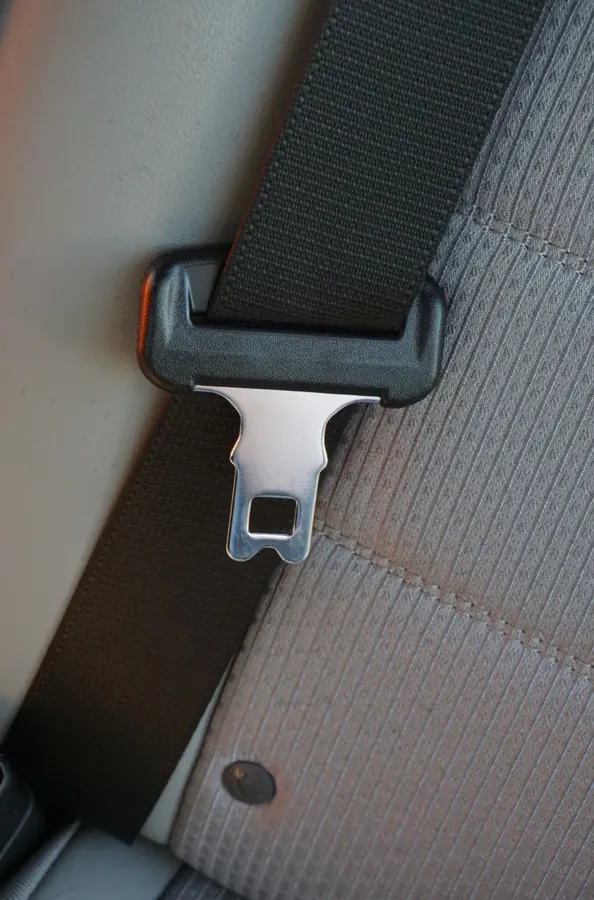
The single biggest determinant of how quickly a replacement enquiry resolves is whether photographs came with it. A latch plate has a profile, a thickness and a slot in a particular place; none of those survive being written down. An anchorage photograph shows fixing type, orientation and surrounding structure at once.
Five photographs
- The whole assembly in place at the position
- The latch plate, flat against a plain surface
- The buckle opening, from the front
- Each mounting point with its hardware visible
- Any part marking or label, however faded
Daylight, no flash, close enough to read detail. Email them to info@autogleam.in.
Installation and verification
Two things happen at the vehicle that cannot happen anywhere else. Final fitment is verified against the position, and the assembly is installed with its anchorage hardware fitted correctly. Both belong with a qualified automotive technician.
Once installed, the assembly should be checked through its full range: webbing drawn to full extension and returned, latch engaged and released several times, and the whole length of webbing inspected for correct routing with no twist. If anything about that check is unsatisfactory, it is resolved before the vehicle goes back into use — not afterwards.
When you are ready to raise the enquiry, Replacement Seat Belt Solutions sets out the process step by step.