Car Seat Belts
Seat belt assemblies for passenger car seating positions — front and rear. Most car seat belt requirements are single-position replacements, and most of them come down to four details: position, side, configuration and mounting.
What this category covers
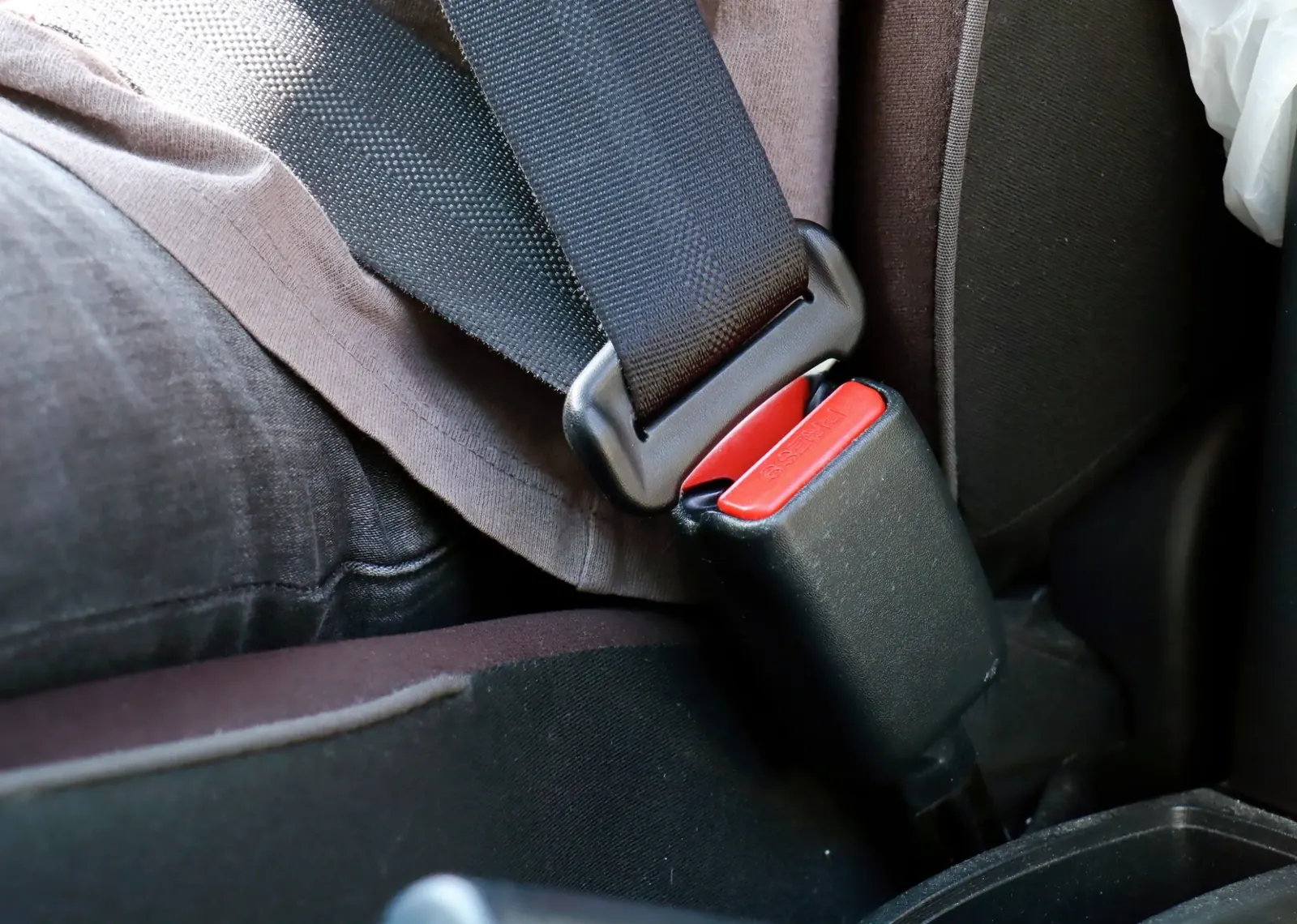
Car seat belts are the assemblies fitted at designated seating positions in passenger cars. In practice that means one of three arrangements: a three-point retractable assembly, a three-point assembly with manual adjustment, or a two-point lap belt at a centre position.
What arrives as “I need a car seat belt” almost always resolves into something more specific once the position is identified. A front outboard position, a rear outboard position and a rear centre position are three different requirements even within the same vehicle, because webbing length, mounting arrangement and handing differ at each.
How requirements usually present
Webbing damage — cuts, fraying, abrasion, staining or heat damage — is the most common trigger. Retraction problems come next: a belt that will not pull back in, or does so slowly and incompletely. Then buckle issues, where the latch plate does not engage positively or the release feels vague. Finally, restoration work, where a position has been out of use and its assembly needs putting back.
All four of those are reasons to have the assembly looked at by a qualified automotive technician before deciding what to order. We can help identify the right product group once you know what is required.
What defines a car seat belt requirement
Position-specific geometry
Webbing length, anchor spacing and the angle the belt runs at are all set by the position the assembly was designed for.
Handed assemblies
Left and right positions mirror each other. The buckle stalk, retractor orientation and webbing exit all change with the side.
Defined mounting points
Each assembly attaches through specific anchorages. Mounting arrangement is a compatibility factor, not a fitting detail.
Matched latch and buckle
The latch plate and the buckle it enters have to correspond in shape and thickness for engagement to be positive.
Webbing width
Guides, adjusters and latch plates are all dimensioned around webbing width, so it has to match across the parts involved.
Professional installation
Anchorage hardware carries occupant load. Installation belongs with a qualified automotive technician.
Where car seat belts are supplied
Driver and front passenger
The highest-use positions in most vehicles, and the ones where retraction and buckle wear typically show first.
Rear left and right
Often lower-use, which means damage is sometimes discovered late. Handing and mounting still apply exactly as at the front.
Centre position
May be a three-point or a lap arrangement depending on the vehicle. Confirm which is fitted before matching a product group.

What has to line up
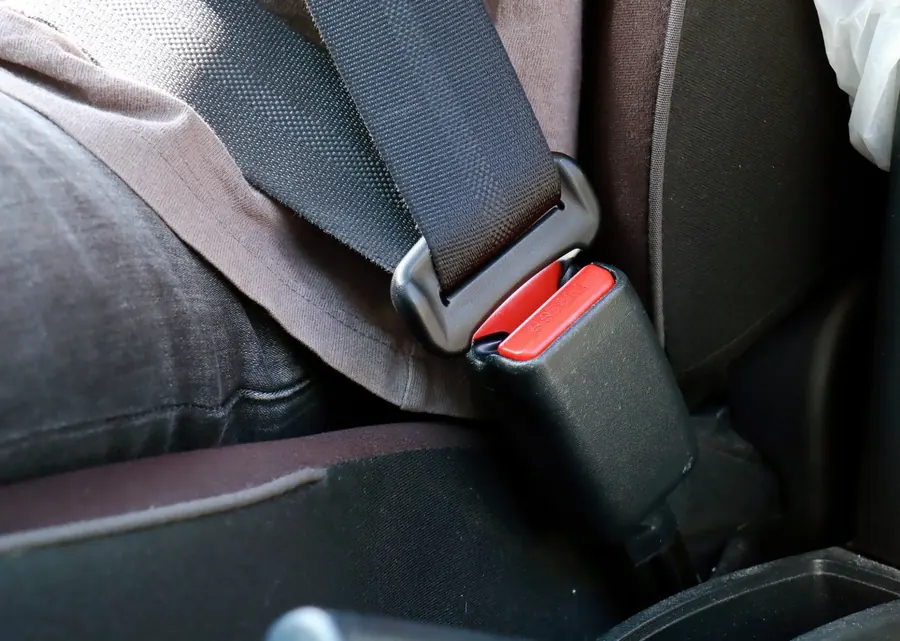
- Seating positionFront, rear outboard or rear centre — each has its own geometry
- HandingLeft or right within the cabin; assemblies are not symmetrical
- ConfigurationThree-point, lap, or retractable
- Mounting pointsNumber, location and type of anchorage
- Latch geometryPlate and buckle must engage positively
- Webbing widthMust match guides, adjusters and latch plate
What we can confirm
| Product category | Car seat belt assemblies for passenger vehicle positions |
|---|---|
| Configurations covered | Three-point, lap and retractable arrangements |
| Positions | Front, rear outboard and rear centre |
| Dimensional data | Not published — confirmed on enquiry for your requirement |
| Vehicle fitment | Not published — confirmed on enquiry for your requirement |
| Quantity requirements | Single position or multiple positions — state quantity in your enquiry |
| Installation | By a qualified automotive technician; anchorage hardware verified at the vehicle |
Car seat belt questions
Five questions that come up on most car seat belt enquiries.
It depends on the configuration at the seating position rather than the vehicle name. Most modern car positions use a three-point retractable assembly; some centre-rear positions use a lap belt. Check what is fitted at the position, then match the category to it.
Not as a rule. Front and rear positions differ in webbing length, mounting arrangement and handing, so an assembly intended for one is unlikely to be correct for the other. Treat each position as its own requirement.
Yes. Assemblies are handed — a left-side unit is not a right-side unit. Always state which side of the cabin the position is on when enquiring.
Availability varies by requirement, and older vehicles are exactly the case where we would rather check than promise. Send photographs of the existing assembly and its mounting points and we will confirm what is possible.
We recommend it. Seat belt anchorages carry occupant load, so installation and anchor hardware should be handled or verified by a qualified automotive technician.
Often looked at alongside car seat belts
If the position you are working on is a three-point retractable arrangement, these three pages cover the parts involved.
Three-Point Seat Belts
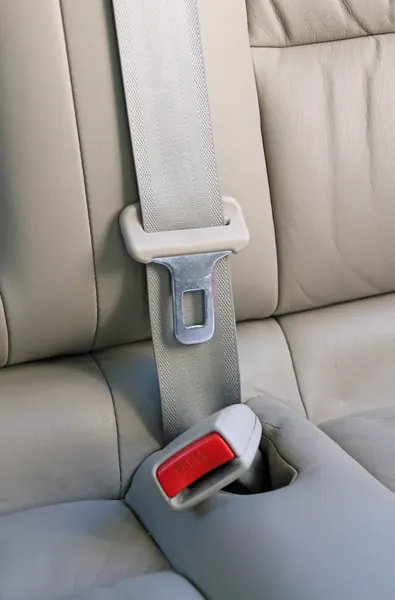
Lap-and-diagonal configurations for occupant positions.
View category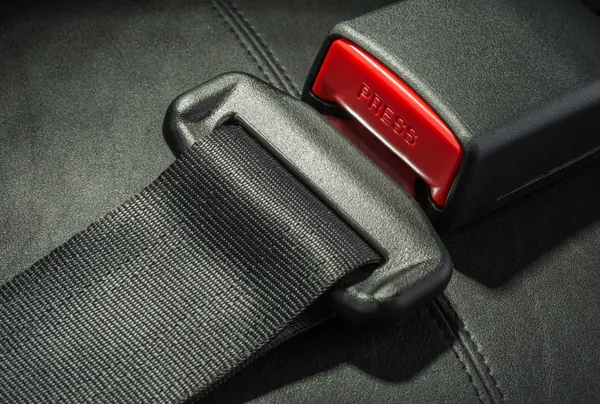
Retractable Seat Belts
Retractor-fed assemblies with automatic webbing return.
View category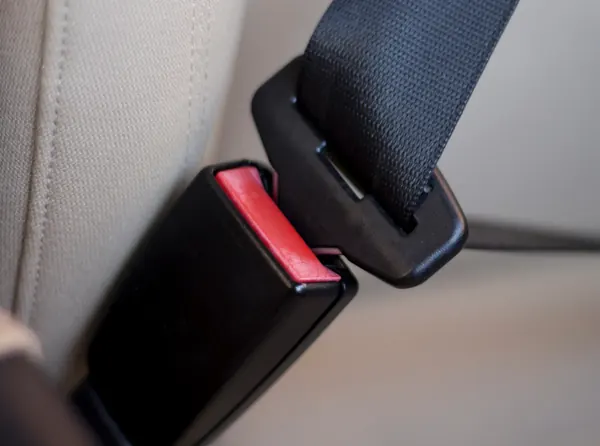
Buckles & Receivers
Buckle and receiver halves where one part is required.
View categoryEnquire about car seat belts
Send the position, side, configuration and photographs. We will confirm what is available for your requirement.