Mounting & anchorage hardware
The fixings that attach an assembly to the vehicle structure at each anchorage point.
- Handled as part of a specific requirement
- Must suit the position and its structure
- Fitting and torque by a qualified technician
Supporting components associated with seat belt installations — the hardware, guides and trim parts that make an assembly complete at a position. This page is deliberately clear about what belongs here and what does not.
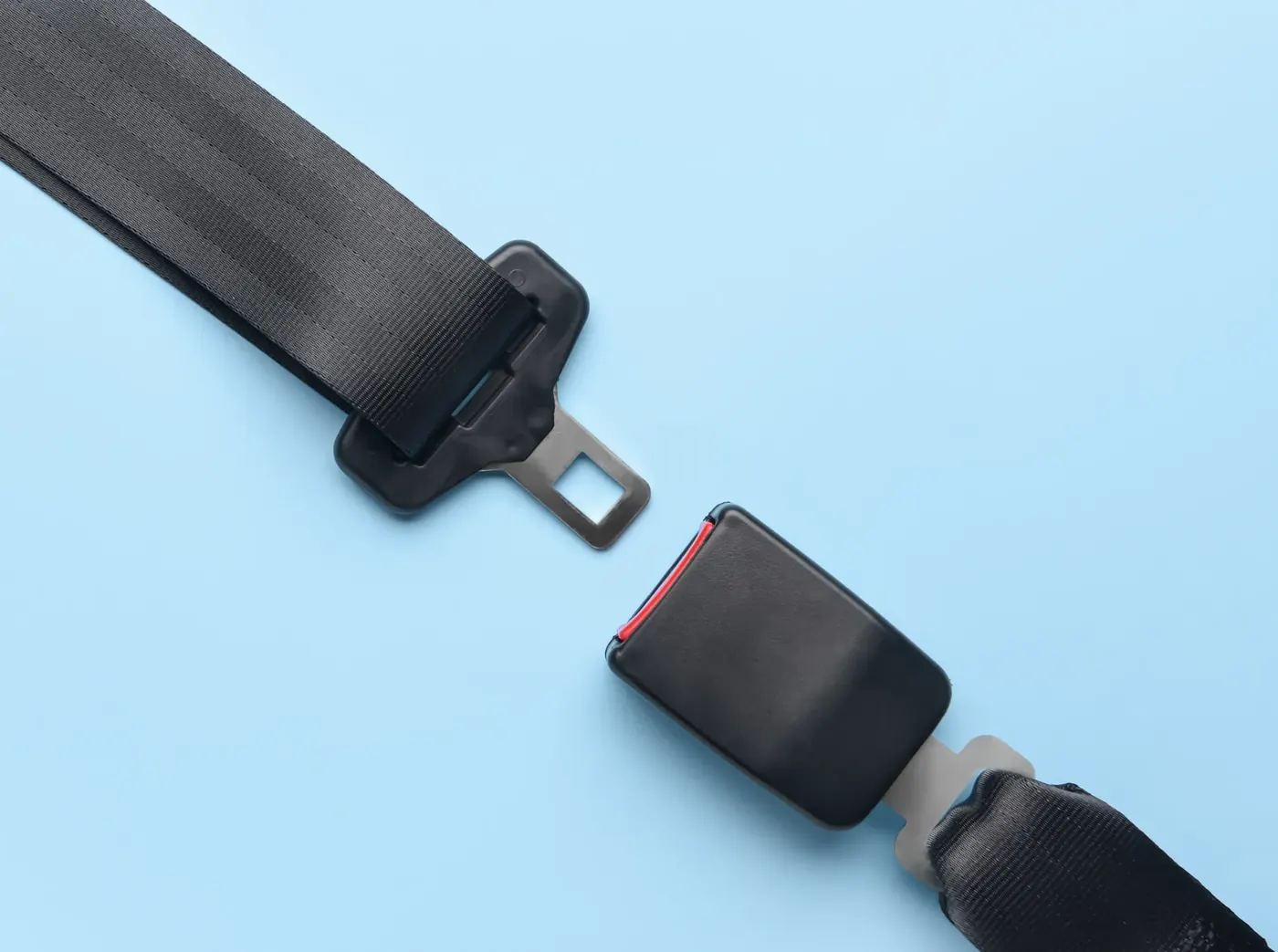
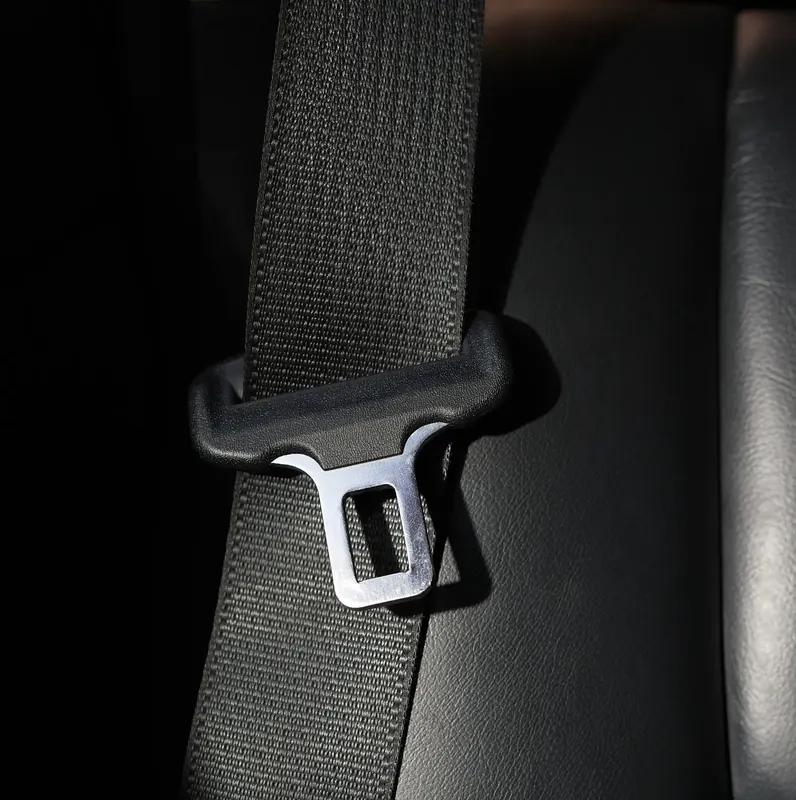
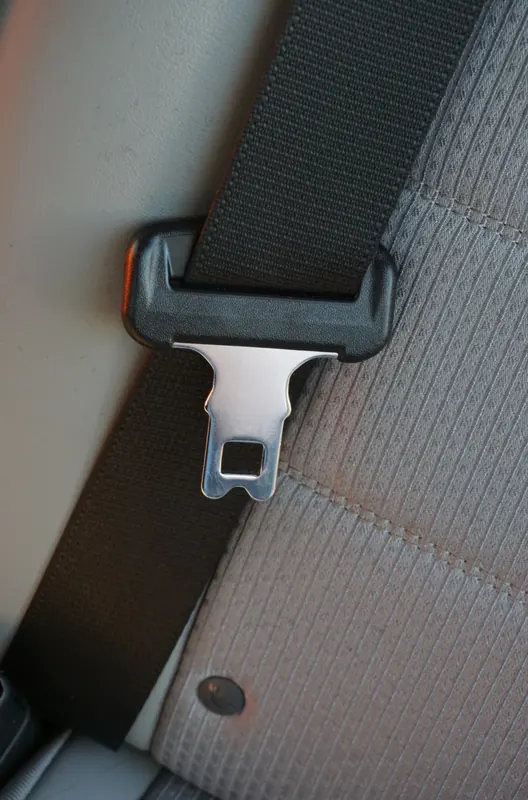
Accessories, in this context, means the supporting components that sit around a seat belt assembly rather than the belt itself. A webbing guide that routes the diagonal section past the shoulder. A trim piece that finishes an anchorage. The mounting hardware that attaches an assembly to structure.
These items are unglamorous and easy to overlook, but they are part of how an assembly behaves at a position. A missing guide changes the angle webbing runs at. A trim piece left off exposes an anchorage. Neither is a cosmetic matter.
Because accessory requirements are specific to positions and installations, this page describes the types of item rather than presenting a stock list with figures attached. Tell us the position and what is missing or damaged, and we will confirm what can be supplied.
The fixings that attach an assembly to the vehicle structure at each anchorage point.
Components that route webbing along its intended path, including shoulder guides and loops.
Covers and finishers that complete an installation around anchorages and guides.
Minor components that form part of an assembly at a position, such as latch plate guides and stops.
Some products sold as seat belt accessories work against what a restraint system is for. We do not stock them, and we would rather say so plainly than leave it ambiguous.
Not available from us
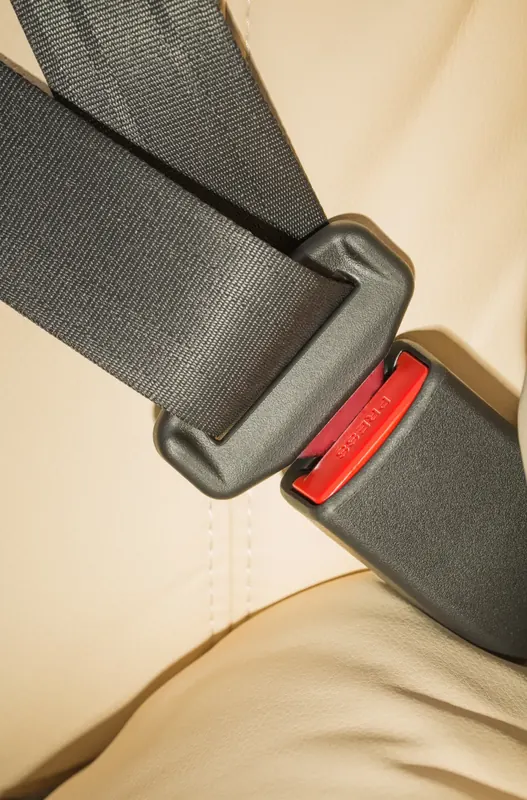
If a warning system is signalling
A seat belt warning that behaves unexpectedly is a reason for inspection, not for a workaround. Please have the vehicle looked at by a qualified automotive technician.
| Product category | Supporting hardware, guides, trim and assembly small parts |
|---|---|
| Scope | Components associated with seat belt installations at a position |
| Excluded items | Anything intended to add slack, reposition webbing or defeat a safety system |
| Dimensional data | Not published — confirmed on enquiry for your requirement |
| Vehicle fitment | Not published — confirmed on enquiry for your requirement |
| Availability | Confirmed per requirement — photographs strongly recommended |
| Installation | Load-bearing hardware fitted by a qualified automotive technician |
Including the ones where the answer is a clear no, and why.
Supporting items associated with seat belt installations — mounting and anchorage hardware, webbing guides and trim pieces, and small parts that form part of an assembly at a position. Availability varies by requirement, so this page describes the types of item rather than listing stock.
No. We do not supply items whose purpose is to introduce slack, hold webbing away from the body, or otherwise change how a belt sits on an occupant. A belt is designed to sit against the body, and anything that changes that geometry works against what the assembly is for.
We do not supply those either. Items designed to occupy a buckle so a warning system stops signalling defeat the purpose of the system. If a warning behaves unexpectedly, that is an inspection matter for a qualified automotive technician.
Anchorage hardware is handled as part of a specific requirement rather than as a generic item, because it carries occupant load and has to suit the vehicle position. Tell us the position and installation context, and have the fitting carried out by a qualified technician.
Where a trim or guide component forms part of the original assembly at a position, that is a legitimate requirement and we will look at it. Decorative sleeves that pad or reposition the webbing are a different matter and are not something we recommend.
Accessory requirements often turn up alongside a component or assembly enquiry.
Send a photograph of the position and the part — small components are identified far faster that way.